Immerse yourself in the vibrant tapestry of global cultures through the lens of your camera. This guide delves into the art of travel photography, focusing on respectfully capturing the essence of local traditions and the unique spirit of diverse communities. We’ll explore techniques for capturing authentic moments, ethical considerations, and practical tips for enhancing your photographic journey.
From understanding cultural sensitivities to mastering composition and lighting, we’ll equip you with the knowledge and skills to create stunning images that tell compelling stories. We’ll also cover essential gear, post-processing techniques, and travel planning strategies specifically tailored to the travel photographer. Prepare to elevate your travel photography to a new level of meaningful and impactful storytelling.
Understanding Local Cultures and Traditions for Photography
Respecting local customs and traditions is paramount when photographing in foreign lands. It’s not just about politeness; it’s about ethical photography and avoiding causing offense or inadvertently contributing to the exploitation of cultures. A photograph, seemingly innocuous, can be interpreted differently within a specific cultural context, leading to misunderstandings or even harm. Approaching photography with sensitivity ensures a more meaningful and enriching experience for both the photographer and the subjects.Understanding local customs requires research before your trip and mindful observation during your travels.
This ensures your photographs reflect the beauty of the culture respectfully, rather than exploiting it for personal gain. Ignoring cultural norms can lead to negative experiences, potentially jeopardizing your ability to capture authentic moments.
Cultural Sensitivities to Consider
Cultural sensitivities vary widely across the globe. What might be acceptable in one place could be deeply offensive in another. For instance, photographing people without their permission is generally considered disrespectful in many cultures. Similarly, certain gestures, clothing, or even the angle of a photograph might hold significant meaning within a specific cultural context. Always consider the potential implications of your actions before you press the shutter.
For example, photographing religious ceremonies without permission, or photographing individuals in a way that exposes them to potential ridicule or misunderstanding, should be avoided. Additionally, be mindful of photographing vulnerable populations, such as children or the elderly, without their explicit consent and the consent of their guardians. It’s crucial to always prioritize respect for individual dignity and privacy.
Ethical Considerations for Travel Photographers
Before embarking on a photography trip, it’s beneficial to create a personal checklist to guide your ethical decision-making. This checklist should serve as a constant reminder to approach each photographic opportunity with consideration and respect.
- Obtain informed consent: Always ask permission before photographing individuals, particularly in close-up or intimate settings. Ensure they understand how the photograph will be used.
- Respect privacy: Avoid photographing people in private moments or without their knowledge. Be mindful of personal space and boundaries.
- Dress appropriately: Research local customs regarding clothing and dress modestly, especially when visiting religious sites or interacting with local communities.
- Learn basic phrases: Learning a few basic phrases in the local language can demonstrate respect and facilitate communication.
- Be mindful of your impact: Consider the potential environmental and social impact of your presence and photography. Avoid disturbing wildlife or sacred sites.
- Give back to the community: Consider ways to contribute positively to the community you are visiting, perhaps through volunteering or supporting local businesses.
- Consider the context of your photographs: Ensure your photographs do not misrepresent or perpetuate harmful stereotypes.
- Respect religious practices: Be mindful of religious customs and avoid photographing people or places in ways that could be deemed disrespectful.
Capturing Authentic Moments in Travel Photography
Authentic travel photography transcends simply documenting a place; it’s about capturing the spirit and soul of a culture. It’s about revealing the unspoken stories that unfold in everyday life, creating images that resonate with viewers long after they’ve seen them. This requires a delicate balance of technical skill and respectful interaction.Capturing candid shots that reflect the true essence of a culture requires patience, observation, and a keen eye for detail.
It’s about finding the moments that are both visually compelling and emotionally resonant. Instead of staging photographs, focus on being present and observing the natural flow of life around you.
Respectful Approaches and Obtaining Consent
Approaching photography ethically is paramount. While candid shots can capture fleeting moments of authenticity, it’s crucial to always be mindful of the individuals you’re photographing. Directly asking for permission, even for a candid shot, demonstrates respect and can lead to more meaningful interactions. A simple smile and a gesture, accompanied by a brief explanation (perhaps using a translation app if necessary), can go a long way.
If someone declines, gracefully accept their decision; their comfort and autonomy should always be prioritized. Consider the cultural context; in some cultures, direct eye contact or close proximity during photography might be considered disrespectful. Respecting personal space is crucial in building trust. Remember that you are a guest in their community, and your actions should reflect that.
Building Rapport with Locals for Genuine Interactions
Building rapport with locals is key to capturing genuine interactions. This isn’t a quick process; it takes time and genuine effort. Begin by simply observing. Spend time in local markets, cafes, or community spaces, immersing yourself in the environment. Learn a few basic phrases in the local language – even a simple “hello” and “thank you” can demonstrate respect and willingness to connect.
Engage in non-intrusive interactions; smile, make eye contact (where culturally appropriate), and show genuine interest in their daily lives. If you see someone doing something interesting, respectfully ask if you can take their picture. Show them the photograph afterwards, and perhaps even share it with them digitally if they are comfortable with that. Small acts of kindness, like offering a small gift or helping with a task, can further strengthen the connection.
Remember that building trust takes time, and genuine interactions are far more valuable than fleeting snapshots. Consider offering to show them the photographs you’ve taken of them later.
Composition and Lighting Techniques for Cultural Photography
Mastering composition and lighting is crucial for elevating your travel photography, particularly when capturing the essence of local cultures and traditions. Effective techniques can transform a simple snapshot into a powerful and evocative image, conveying the scale, atmosphere, and emotional depth of a cultural scene. This section explores key strategies for achieving this.
Composition and lighting work in tandem to create compelling images. Understanding how to frame your subject and harness the available light is fundamental to capturing authentic and impactful photographs that truly represent the spirit of a place and its people.
Composition Techniques for Showcasing Scale and Grandeur
Effective composition is key to conveying the scale and grandeur of cultural sites. Wide-angle lenses are often preferred to encompass the vastness of a landscape or the intricate detail of a large structure. However, simply using a wide-angle lens isn’t enough; careful consideration of leading lines, framing, and the rule of thirds are essential. Leading lines, such as roads, rivers, or architectural elements, can draw the viewer’s eye into the scene, guiding them towards the main subject and emphasizing its size.
Framing, using natural elements like trees or doorways, can create a sense of depth and context, highlighting the scale of the cultural site within its environment. The rule of thirds, placing the main subject off-center, creates a more dynamic and visually appealing composition. For example, photographing a massive temple from a distance, using a wide-angle lens and placing the temple off-center, with a leading line of a pathway leading to it, can effectively showcase its scale and grandeur.
Utilizing Natural Light for Mood and Atmosphere
Natural light is invaluable for capturing the mood and atmosphere of a location. The quality of light dramatically affects the overall feel of the photograph. Harsh midday sun can create strong shadows and washed-out colors, while softer light during the golden or blue hours produces a more evocative and aesthetically pleasing image. Consider the direction of the light: front lighting illuminates the subject evenly, side lighting creates depth and shadow, and backlighting can produce silhouettes or dramatic rim lighting.
For instance, photographing a bustling market scene during the soft light of the golden hour will create a warmer, more inviting atmosphere compared to a photograph taken under the harsh midday sun.
Comparison of Golden Hour and Blue Hour Lighting
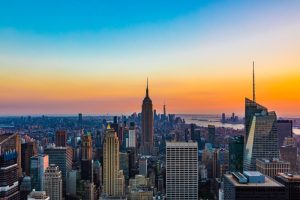
The golden hour, the period shortly after sunrise and before sunset, is characterized by warm, soft light that casts long shadows. This light is ideal for capturing landscapes, portraits, and architectural details, creating a romantic and nostalgic mood. The blue hour, occurring just before sunrise and after sunset, features a cool, subdued light with a magical, ethereal quality. This lighting is perfect for capturing cityscapes, creating a calm and serene atmosphere.
A comparison: a photograph of a traditional village taken during the golden hour will convey warmth and vibrancy, while the same scene photographed during the blue hour might evoke a sense of tranquility and mystery. The choice depends on the desired mood and atmosphere for the image.
Gear and Equipment for Travel Photography
Choosing the right gear for travel photography is crucial for capturing stunning images while navigating diverse environments and situations. The ideal kit balances image quality, portability, and durability. Over-packing can be cumbersome, while under-preparing can limit your creative possibilities. Finding the right balance is key to a successful and enjoyable photographic journey.
The essential equipment will vary depending on your style of photography and personal preferences, but a core set of items will form the foundation of your kit. Consider the weight and size of your gear carefully, as you’ll be carrying it for extended periods.
Essential Photography Gear for Capturing Cultural Details
A well-rounded kit for capturing cultural details includes a versatile camera body, a selection of lenses, and a range of accessories designed to protect and enhance your photographic capabilities. The specific choices will depend on your photographic style and budget, but the following items represent a strong starting point.
- Camera Body: A high-resolution camera with good low-light performance is essential. This could be a DSLR, mirrorless, or even a high-end smartphone. Consider features like weather sealing if you anticipate shooting in challenging conditions.
- Lenses: A versatile zoom lens (e.g., 24-70mm or 24-105mm) covers a wide range of focal lengths for most situations. A prime lens (e.g., 35mm or 50mm) can offer superior image quality and a shallower depth of field for portraits. A wide-angle lens (e.g., 16-35mm) is useful for capturing expansive landscapes and environmental portraits.
- Accessories: A sturdy tripod is invaluable for sharp images in low light, especially when photographing cultural events or ceremonies. Extra batteries and memory cards are essential, especially on longer trips. A lens cleaning kit will keep your lenses free from dust and smudges. A reliable camera bag that offers good protection and comfortable carrying is also crucial.
Camera Choices for Travel Photography
The choice between DSLR, mirrorless, and smartphone cameras depends on individual needs and priorities. Each type offers unique advantages and disadvantages in the context of travel photography.
- DSLRs: DSLRs (Digital Single-Lens Reflex) cameras offer excellent image quality, extensive customization options, and a wide range of lenses. However, they tend to be larger and heavier than mirrorless cameras.
- Mirrorless Cameras: Mirrorless cameras offer similar image quality to DSLRs but are generally smaller, lighter, and more energy-efficient. They often boast advanced autofocus systems and video capabilities.
- Smartphones: Smartphones are incredibly convenient for travel photography, offering portability and ease of use. While image quality is improving rapidly, they may lack the versatility and control of dedicated cameras, particularly in low-light situations. For example, a professional photographer might find the limitations of a smartphone’s dynamic range insufficient for capturing the details in brightly lit and shadowy areas of a bustling market scene.
Packing and Protecting Photography Equipment
Protecting your expensive photography gear during travel requires careful planning and the use of appropriate protective measures. Consider these points to ensure your equipment arrives safely at its destination and remains functional throughout your journey.
- Camera Bag: Invest in a high-quality camera bag that provides adequate padding and protection against impacts and weather. Consider a backpack style for hands-free carrying, or a shoulder bag for easier access.
- Packing Cubes: Organize your gear using packing cubes to keep items separated and prevent them from shifting during transit. This helps protect delicate equipment like lenses.
- Weather Protection: Use rain covers or waterproof bags to protect your gear from rain or unexpected spills. Consider investing in weather-sealed camera bodies and lenses if you plan to shoot in challenging weather conditions.
- Carry-on vs. Checked Baggage: Always carry your most valuable and essential equipment in your carry-on baggage to prevent loss or damage during checked baggage handling.
Post-Processing and Editing for Cultural Travel Photos
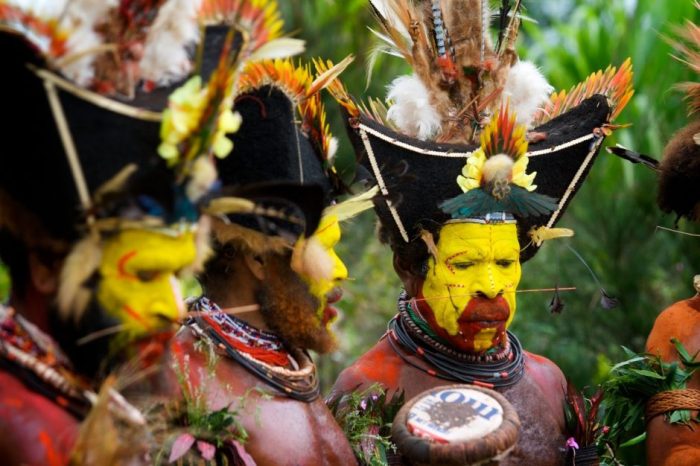
Post-processing is crucial for enhancing your cultural travel photography, bringing out the vibrancy and detail captured in your images while remaining true to the original scene. Careful editing can elevate a good photo to a truly exceptional one, communicating the atmosphere and emotions experienced during your travels. It’s important to remember that the goal is enhancement, not artificial transformation.The aim of post-processing cultural travel photos is to subtly improve the image, not to create a drastically altered reality.
Over-editing can detract from the authenticity and impact of your photograph, making it appear unnatural and losing the raw essence of the moment. Therefore, a delicate approach focusing on color correction, sharpening, and noise reduction is paramount.
Color Correction and Enhancement
Accurate color correction is the foundation of good post-processing. This involves adjusting the white balance to ensure colors appear natural and consistent throughout the image. For example, if your photo is slightly too warm (leaning towards orange or yellow), you might cool it down to achieve a more neutral and balanced look. Subtle color grading can also enhance the mood; a slightly increased saturation can make the colors pop, but avoid oversaturation which results in unnatural, vibrant colors.
Consider the cultural context – vibrant colors might be appropriate for a lively market scene, while muted tones might be more fitting for a contemplative temple setting.
Sharpening and Noise Reduction
Sharpening techniques help to improve the clarity and detail in your images. However, over-sharpening can lead to a harsh, unnatural look. Focus on selectively sharpening areas that require it, such as faces or intricate details in clothing or architecture, while leaving softer areas less processed. Noise reduction is particularly important when shooting in low-light conditions. Noise, or grain, appears as speckles or discoloration in the image.
Sophisticated noise reduction algorithms in editing software can effectively reduce noise without significantly impacting image detail. Finding the right balance is key, as too much noise reduction can soften the image excessively, making it appear blurry.
Workflow for Post-Processing
A typical workflow begins with importing your photos into your chosen software (Lightroom, Photoshop, etc.). First, adjust the white balance to achieve accurate colors. Next, make subtle adjustments to exposure, contrast, and highlights/shadows to optimize the overall brightness and tonal range. Then, apply sharpening and noise reduction as needed, focusing on preserving detail. Finally, make any minor color grading adjustments to enhance the mood.
Throughout the process, regularly step back and assess the image to avoid over-editing. Saving your edits non-destructively allows you to revert changes if needed.
Enhancing Mood and Atmosphere
Software provides tools to subtly enhance the mood and atmosphere of a photograph without altering the original scene drastically. This could involve using subtle vignette effects to draw attention to the main subject or using selective adjustments to highlight certain colors or textures. For instance, a slight increase in contrast could enhance the drama of a sunset over a cultural landscape, while carefully applied warmth can add a nostalgic feel to a historical scene.
The key is subtlety; the alterations should feel natural and enhance, not overshadow, the original photograph’s essence.
Travel Hacks for Photographers
Travel photography demands careful planning and efficient execution. Successfully capturing stunning images while navigating unfamiliar environments requires strategic packing, resourceful location scouting, and a well-organized approach. This section provides practical tips and tricks to streamline your travel photography workflow and maximize your results.Efficient packing and organization are paramount for the traveling photographer. Overpacking leads to unnecessary weight and potential gear damage, while underpacking can leave you unprepared for unexpected photographic opportunities.
Careful planning minimizes these risks, allowing you to focus on capturing compelling images.
Efficient Packing of Photography Gear
To optimize packing, consider using a modular system. This might involve employing a rolling suitcase for larger items like lenses and a smaller backpack for everyday essentials, such as your camera body and frequently used lenses. Invest in protective cases and dividers to prevent scratches and impacts during transit. Consider the climate and potential for rough handling when choosing your luggage and packing materials.
Packing cubes can help compress clothing and other items, maximizing space for your photography gear. Remember to keep your camera battery and memory cards in readily accessible pockets. A well-organized system allows for quick access to your equipment, vital in capturing fleeting moments.
Finding Unique and Off-the-Beaten-Path Locations
Discovering exceptional locations requires proactive research and a willingness to explore beyond the typical tourist hotspots. Utilize online resources such as Google Maps, Instagram, and travel blogs to identify lesser-known locations with cultural significance. Engage with local communities; they often possess invaluable insights into hidden gems and cultural events. Consider visiting during off-season periods to avoid crowds and enjoy a more authentic experience.
Be respectful of local customs and always obtain permission before photographing individuals or sacred sites. Exploring local markets, attending festivals, or visiting smaller villages often reveals unique photographic opportunities unavailable in more popular tourist areas.
Optimized Packing List for Photography and Personal Belongings
A well-balanced packing list ensures you’re prepared for both personal needs and photographic opportunities. This list provides a starting point, adaptable to your specific trip and preferences.
| Category | Items |
|---|---|
| Camera Gear | Camera body, lenses (wide-angle, telephoto, standard), extra batteries, memory cards, cleaning kit, tripod, remote shutter release |
| Clothing | Lightweight, versatile clothing suitable for the climate, comfortable walking shoes, rain gear |
| Personal Items | Passport, visa (if required), travel insurance documents, medications, toiletries, adapter plugs, phone charger |
| Other Essentials | First-aid kit, sunscreen, insect repellent, small daypack, reusable water bottle, guidebook, phrasebook |
Remember to check airline baggage restrictions before finalizing your packing list. Weigh your luggage before heading to the airport to avoid unexpected fees.
Travel Insurance Considerations for Photographers
Protecting your investment in photography equipment is crucial when traveling. Travel insurance specifically designed for photographers offers peace of mind, safeguarding against unexpected losses or damages that could significantly impact your trip and your livelihood. Choosing the right policy is key to ensuring adequate coverage for your valuable gear.Travel insurance for photographers goes beyond standard travel policies. While basic plans might cover lost luggage, they often have limitations or exclusions regarding expensive equipment like cameras, lenses, and drones.
Specialized policies, however, provide more comprehensive coverage for these items, often including loss, theft, accidental damage, and even damage from extreme weather conditions. Understanding the nuances of these policies is vital for making an informed decision.
Types of Travel Insurance Coverage for Photography Equipment
Different travel insurance providers offer varying levels of coverage for photography equipment. Some plans offer a fixed sum for equipment loss or damage, while others provide coverage up to a specified percentage of your total declared equipment value. It’s essential to carefully review the policy wording, paying close attention to any exclusions or limitations. For instance, some policies might not cover equipment lost due to negligence, while others might require specific documentation, such as receipts, for claims.
Comparing policies from multiple providers allows you to identify the best balance of coverage and cost. Consider factors such as the duration of your trip, the value of your equipment, and the destinations you’ll be visiting.
The Claims Process for Damaged Equipment
In the event of equipment damage or loss, understanding the claims process is crucial for a smooth resolution. Most travel insurance providers require you to report the incident promptly, usually within a specified timeframe (often 24-48 hours). This initial notification is followed by the submission of supporting documentation, which typically includes a copy of your policy, a police report (in case of theft), and detailed receipts or proof of purchase for your equipment.
Some providers may also require photographic evidence of the damage. The claims process can vary in length, depending on the provider and the complexity of the claim. Expect to provide detailed information about the circumstances surrounding the damage or loss, and be prepared for potential delays while the provider investigates your claim. Clear communication with your insurance provider throughout the process is essential.
Travel Photography Resources and Inspiration
Finding inspiration and reliable resources is crucial for any travel photographer looking to improve their skills and expand their creative vision. This section will explore various avenues for discovering new techniques, honing your craft, and staying motivated in the ever-evolving world of travel photography. We will examine valuable websites, influential photographers, and practical strategies for maintaining creative momentum.
Access to high-quality resources and the work of inspiring photographers is essential for growth. Learning from the masters and exploring different approaches can significantly elevate your photography. Furthermore, maintaining a consistent creative drive is key to producing compelling and evocative work.
Valuable Websites and Blogs for Travel Photographers
Numerous online platforms offer a wealth of information, tutorials, and inspiration for travel photographers. These range from dedicated photography blogs to online communities where photographers share their experiences and expertise.
- National Geographic Your Shot: This platform showcases stunning travel photography from around the world and provides opportunities for photographers to have their work featured.
- 500px: A popular online community for photographers, 500px offers a platform to share your work, discover new talent, and engage with other photographers.
- Travel Photography Guru: This blog provides insightful articles, tutorials, and reviews of travel photography gear and techniques.
- Digital Photography School: While not exclusively focused on travel photography, this website offers a wide range of tutorials and articles on various photography topics that are highly relevant to travel photographers.
Influential Travel Photographers
Studying the work of renowned travel photographers can provide invaluable insights into composition, storytelling, and capturing the essence of a culture. Their images often serve as a powerful source of inspiration and motivation.
- Steve McCurry: Famous for his iconic photograph “Afghan Girl,” McCurry’s work is renowned for its ability to capture the human spirit and the beauty of diverse cultures. His images often portray powerful emotions and cultural nuances with striking visual impact. For example, his work documenting the lives of people in India showcases a rich tapestry of traditions and daily life.
- Michael Yamashita: Known for his breathtaking landscapes and his ability to integrate cultural elements into his images, Yamashita’s work beautifully blends environmental photography with cultural storytelling. His images of Tibet, for example, reveal the unique beauty of the region’s landscapes while also highlighting its spiritual and cultural heritage.
- Cristina Mittermeier: A conservation photographer, Mittermeier’s work powerfully combines environmental concerns with cultural elements. Her photographs often highlight the relationship between people and their environment, demonstrating how cultural practices can impact the natural world and vice versa. Her images of indigenous communities interacting with their surroundings provide compelling narratives.
Maintaining Inspiration and Motivation
Sustaining creative energy and motivation in travel photography requires proactive strategies and a commitment to continuous learning.
- Regularly review your work: Analyzing past projects helps identify areas for improvement and sparks new ideas.
- Engage with other photographers: Participating in online communities and attending workshops fosters collaboration and provides fresh perspectives.
- Explore new locations and cultures: Stepping outside your comfort zone expands your creative horizons and provides endless opportunities for inspiration.
- Set personal challenges: Assigning yourself specific photographic goals helps maintain focus and pushes creative boundaries.
Travel Tips for Cultural Immersion
Planning a culturally immersive trip goes beyond simply visiting tourist hotspots; it’s about fostering genuine connections and respectful interactions with local communities. This involves thoughtful preparation, mindful engagement, and a willingness to step outside your comfort zone to truly appreciate the richness of a different culture. A successful immersive experience is one that benefits both the traveler and the community visited.Deepening your understanding of the local culture before your trip is paramount.
This allows for more meaningful interactions and avoids unintentional cultural missteps. Learning basic phrases, researching local customs and etiquette, and understanding the historical context of the region will significantly enhance your experience.
Planning for Culturally Immersive Travel
Effective planning is crucial for a respectful and enriching cultural immersion. Researching the destination’s customs and traditions, including appropriate attire and social interactions, helps prevent unintentional offenses. Consider the local climate and pack accordingly, remembering that respect for local dress codes often extends beyond religious considerations. For example, in some Southeast Asian countries, wearing revealing clothing in public spaces is frowned upon, while in certain Middle Eastern regions, women may be expected to cover their hair and shoulders.
Booking accommodations that support local businesses and communities, such as family-run guesthouses or eco-lodges, contributes directly to the local economy and offers a more authentic experience than large international hotel chains.
Examples of Activities Promoting Cultural Understanding
Engaging in activities that promote interaction with locals provides invaluable opportunities for learning and cultural exchange. Taking a cooking class, learning a traditional craft like weaving or pottery, or attending a local festival provides direct, hands-on experiences. Participating in community projects, such as volunteering at a local school or helping with environmental conservation efforts, fosters meaningful connections and demonstrates a commitment to reciprocal exchange.
Visiting local markets, not just for shopping, but to observe daily life and interact with vendors, provides a glimpse into the everyday rhythms of the community. These interactions often lead to unexpected discoveries and conversations that broaden understanding.
Resources for Learning Basic Local Phrases
Learning a few basic phrases in the local language demonstrates respect and enhances interaction. Numerous resources are available for this purpose. Language learning apps such as Duolingo and Memrise offer interactive lessons, while websites like Forvo provide audio pronunciations from native speakers. Phrasebooks, available both in print and digital formats, offer convenient access to essential phrases. Local language exchange platforms, such as HelloTalk and Tandem, connect you with native speakers for practice and conversation.
Even attempting a few basic phrases, like “hello,” “thank you,” and “please,” can significantly improve your interactions and demonstrate your effort to engage respectfully.
Travel Visa Requirements and Procedures
Securing the necessary travel visas is a crucial step in planning any international photography trip. Failing to obtain the correct documentation can lead to significant delays, added expenses, and even prevent you from entering your chosen destination. This section provides a practical guide to navigating the visa application process.Obtaining a travel visa involves several steps, and the specific requirements vary greatly depending on your nationality and your destination country.
Generally, the process begins with determining your visa needs based on the length and purpose of your stay. Some countries offer visa-free travel or visas on arrival for specific nationalities, while others require pre-arranged visas.
Visa Requirements by Country
The first step is to identify the specific visa requirements for your chosen destination. This information is typically available on the website of the respective country’s embassy or consulate in your home country. These websites usually contain detailed information about visa types, application forms, required documents, processing times, and fees. For example, a photographer traveling to the United Kingdom for a month-long photography assignment would need to apply for a Standard Visitor visa, while a similar trip to Japan might require a tourist visa.
Each country’s requirements are unique and need to be researched individually.
Required Documentation for Visa Applications
The documentation needed for a visa application can vary significantly. However, common requirements often include a valid passport with sufficient remaining validity (usually six months beyond your intended stay), a completed visa application form, a recent passport-sized photograph meeting specific requirements (size, background, etc.), proof of sufficient funds to cover your trip expenses (bank statements, proof of employment, etc.), and evidence of your travel itinerary (flight bookings, accommodation reservations).
Some countries may also request a letter of invitation from a host in the destination country or proof of travel insurance. For example, applying for a Schengen visa requires comprehensive travel insurance that meets specific coverage criteria.
Challenges and Solutions in Visa Applications
The visa application process can present various challenges. Common issues include incomplete or inaccurate applications, missing documentation, lengthy processing times, and visa denials. To mitigate these challenges, carefully review all requirements before submitting your application, ensure all documents are accurately completed and submitted, and allow ample time for processing, especially during peak seasons. If your visa application is denied, understanding the reason for the denial is crucial.
You may be able to reapply with additional documentation or address any issues raised by the embassy or consulate. Seeking assistance from a visa processing service can also be helpful, though it comes with an additional cost. It’s advisable to begin the visa application process well in advance of your planned trip to allow sufficient time for processing and potential appeals.
Urban Escapes and Photography Opportunities
Urban environments offer a rich tapestry of photographic opportunities, brimming with visual stories waiting to be captured. From the imposing architecture to the bustling street life, cities present a dynamic interplay of light, shadow, and human activity, making them ideal subjects for photographers of all skill levels. This section explores key elements of urban photography, offering techniques and guidance for capturing the unique character and energy of any city.Urban photography thrives on the juxtaposition of contrasting elements.
The interplay of old and new architecture, for instance, creates compelling visual narratives. A modern glass skyscraper towering over a centuries-old cobblestone street offers a striking visual contrast, capturing the city’s evolution through time. Similarly, the juxtaposition of natural elements, such as a park or a river, against the backdrop of urban structures provides a welcome respite from the concrete jungle, adding depth and complexity to the image.
The human element is equally crucial; the movement and interaction of people within the urban landscape bring the city to life.
Key Elements of Compelling Urban Photographs
The most compelling urban photographs often feature a combination of architectural details, street scenes, and human interaction. Architectural details, such as intricate carvings on historical buildings or the geometric patterns of modern structures, offer strong visual interest. Street scenes, capturing the energy and chaos of daily life, provide a sense of place and atmosphere. Finally, the inclusion of people, whether as solitary figures or bustling crowds, adds scale and a sense of life to the image.
Consider capturing the expressions on people’s faces, their body language, and how they interact with their surroundings. These details can elevate a photograph from a simple snapshot to a powerful visual story.
Urban Photography Techniques for Capturing City Energy
Several techniques can help photographers capture the dynamism and character of a city. Using a fast shutter speed freezes motion, capturing sharp details in bustling street scenes. Conversely, a slow shutter speed can create a sense of movement and blur, conveying the energy of a busy street or a flowing river. The use of leading lines, such as streets, railways, or rivers, can guide the viewer’s eye through the image, drawing attention to the focal point.
Experimenting with different angles, such as shooting from high vantage points or low perspectives, can add depth and visual interest, showcasing the city from unique angles. The use of black and white photography can enhance the textures and contrasts within the urban environment, emphasizing the architectural details and the interplay of light and shadow.
Finding Hidden Gems and Unique Perspectives in Urban Areas
Discovering hidden gems and unique perspectives in urban areas often requires exploration and a willingness to stray from well-trodden paths. Venture into lesser-known neighborhoods, exploring side streets and alleys to discover hidden courtyards, unique architectural details, and unexpected scenes. Seek out high vantage points, such as rooftops or elevated walkways, to capture the city from a different perspective.
Consider visiting the city during off-peak hours, such as early morning or late evening, when the streets are quieter and the lighting is often more dramatic. Engage with local communities; ask residents for recommendations on hidden gems or local traditions that might provide unique photographic opportunities. By embracing a spirit of exploration and curiosity, photographers can uncover hidden gems and capture truly unique perspectives on the urban landscape.
Vacation Packages and Photography Itineraries
Crafting a photography-focused vacation requires careful planning to balance relaxation with the pursuit of stunning images. A well-structured itinerary ensures you maximize your time and capture the essence of your destination, whether it’s vibrant street scenes or serene landscapes. This involves selecting locations known for their photographic appeal, allocating sufficient time for shooting, and integrating downtime for rest and rejuvenation.Sample Vacation Packages incorporating photography opportunities are readily customizable based on individual preferences and skill levels.
However, a successful itinerary considers not only the photographic opportunities but also the overall travel experience, incorporating cultural immersion and relaxation.
Sample Photography-Focused Vacation Packages
The following examples illustrate how to integrate photography into different types of vacations. These are merely starting points; adjust durations and locations to suit your interests and expertise.
Example 1: A Week in Tuscany, Italy (Landscape & Architectural Photography)
Day 1: Arrive in Florence, check into hotel near the Ponte Vecchio. Afternoon exploring the Ponte Vecchio and capturing its architectural details and the Arno River. Evening stroll through the Oltrarno district for atmospheric shots.
Day 2: Florence Duomo and Baptistery photography. Focus on details, textures, and light. Afternoon dedicated to exploring the Uffizi Gallery (for inspiration and potential architectural shots).
Day 3: Day trip to Siena and San Gimignano. Capture the rolling hills of Tuscany, medieval architecture, and charming town squares.
Day 4: Cooking class in the Tuscan countryside followed by sunset photography overlooking the vineyards.
Day 5: Explore the Chianti region, focusing on vineyard landscapes and picturesque villages.
Day 6: Return to Florence. Morning dedicated to revisiting favorite locations for different lighting conditions. Afternoon exploring less-visited areas of Florence.
Day 7: Departure from Florence.
Example 2: Five Days in New Orleans, Louisiana (Street Photography & Culture)
Day 1: Arrive in New Orleans, check into a hotel in the French Quarter. Afternoon exploring Jackson Square, capturing street performers, architecture, and the lively atmosphere. Evening exploring Frenchmen Street for music and nightlife photography.
Day 2: Morning exploring the Garden District, focusing on the unique architecture and lush gardens. Afternoon dedicated to photographing the colorful houses and street life along Magazine Street.
Day 3: Visit the French Market and capture the local vendors and their goods. Afternoon exploring the historic cemeteries, focusing on the unique atmosphere and architectural details.
Day 4: Swamp tour to capture the natural beauty of Louisiana. Evening dedicated to capturing the city lights and reflections on the Mississippi River.
Day 5: Departure from New Orleans.
Balancing Relaxation and Exploration with Photography
The key to a successful photography vacation is integrating photography into your overall travel plan, not letting it dominate your entire schedule. Allocate specific times for photography sessions, but also leave ample time for relaxation, cultural experiences, and simply enjoying your destination. Avoid over-scheduling, and allow for spontaneity – sometimes the best photos are unplanned. Consider incorporating activities like spa treatments, leisurely meals, or simply relaxing by the pool into your itinerary.
Choosing Accommodation for Photographers
When choosing accommodation, consider the following:
- Location: Choose a hotel or Airbnb that is centrally located to your planned photography spots, minimizing travel time.
- Amenities: Look for accommodations with secure storage for your equipment, reliable Wi-Fi for uploading and editing photos, and ideally, a workspace for post-processing.
- Lighting: Consider natural light when selecting your room. A room with large windows can be beneficial for reviewing and editing photos.
Vacation Programs and Photography Workshops
Many organizations offer enriching travel experiences that combine cultural immersion with photography instruction. These programs cater to a wide range of skill levels, from beginners to advanced photographers, and provide opportunities to hone your skills while exploring diverse cultures and locations. Choosing the right program depends on your photographic goals, budget, and desired level of cultural engagement.
Several factors differentiate these programs, including their focus (e.g., wildlife photography, street photography, landscape photography), location (e.g., Southeast Asia, South America, Europe), and price point (ranging from budget-friendly options to luxury experiences). Understanding these differences is crucial in selecting a program that best suits your individual needs and aspirations.
Types of Vacation Programs and Photography Workshops
Photography workshops and vacation programs offer diverse experiences. Some focus solely on photography techniques, while others incorporate cultural activities and excursions. Examples include intensive week-long workshops concentrating on specific photographic genres like wildlife or portraiture, multi-week expeditions exploring a region’s cultural heritage and landscape, and shorter, more focused workshops targeting particular skills, such as post-processing or composition.
Program Focus and Location Examples
A program focused on wildlife photography in Tanzania might involve guided safaris, instruction on photographing animals in their natural habitat, and opportunities to capture iconic wildlife. In contrast, a street photography workshop in Tokyo could emphasize capturing the dynamism of urban life, teaching techniques for candid street photography, and exploring the city’s cultural nuances. A landscape photography tour through the Scottish Highlands might concentrate on mastering composition in diverse landscapes, utilizing light effectively, and understanding the geological and environmental context of the location.
Comparing Program Options Based on Price and Skill Level
Program costs vary significantly depending on the duration, location, level of instruction, and included amenities. Budget-friendly options may involve smaller group sizes, simpler accommodations, and a less extensive itinerary. Higher-priced programs often feature luxurious accommodations, smaller student-to-instructor ratios, and more inclusive itineraries, potentially including private tours or access to exclusive locations. Beginner programs often emphasize foundational techniques and concepts, while advanced programs delve into more specialized areas, such as advanced lighting techniques or post-processing workflows.
Many programs offer intermediate levels catering to those with some prior experience but seeking to improve their skills.
Tips for Selecting a Photography Workshop or Vacation Program
Carefully consider your skill level and photographic interests when choosing a program. Research the instructors’ credentials and experience. Read reviews from past participants to gauge the quality of instruction and the overall experience. Review the program itinerary meticulously to ensure it aligns with your expectations and desired level of cultural immersion. Compare program costs, including travel, accommodation, and tuition fees.
Finally, ensure that the program’s focus, location, and style of instruction resonate with your personal preferences and learning style.
Venture Capital in Travel Photography
The travel photography industry, while seemingly niche, presents a compelling case for venture capital investment. The convergence of burgeoning travel trends, technological advancements, and the increasing demand for high-quality visual content creates a fertile ground for innovative businesses. This section will explore the potential for investment, identifying key areas for innovation and examining the current market landscape.The current market landscape is characterized by a fragmented ecosystem of freelance photographers, small agencies, and large stock photography platforms.
While established platforms dominate the stock photography market, there’s a growing demand for personalized, high-end travel photography services catering to luxury travel experiences and bespoke marketing campaigns. This presents a significant opportunity for disruption and innovation.
Potential Areas for Innovation and Investment
Several areas within the travel photography industry show strong potential for venture capital investment. These include the development of innovative software and technologies designed to streamline workflows, enhance image quality, and facilitate efficient content distribution. Investment could also target companies focusing on personalized travel photography experiences, offering curated itineraries and bespoke photographic services to high-net-worth individuals. Another promising area is the development of sustainable and ethical travel photography practices, addressing growing environmental and social concerns within the industry.
Furthermore, the integration of artificial intelligence (AI) for image enhancement, automated editing, and personalized content creation offers significant potential for scalability and efficiency gains. Finally, the creation of immersive virtual travel experiences using 360° photography and VR technology represents a cutting-edge area ripe for investment.
Market Challenges and Opportunities
The travel photography industry faces challenges including seasonality, competition, and the need to adapt to evolving technological landscapes. However, opportunities abound. The rise of social media and influencer marketing has created a significant demand for high-quality visual content, driving growth in the sector. Furthermore, the increasing popularity of experiential travel and the desire for personalized, authentic travel experiences present a significant opportunity for businesses offering bespoke photography services.
The challenge lies in scaling these businesses sustainably while maintaining high standards of quality and ethical practices. For example, a company focusing on sustainable travel photography could attract investment by demonstrating a clear path to profitability while adhering to environmentally and socially responsible practices, showcasing a positive impact beyond mere financial returns.
Examples of Potential Investment Models
One potential model is investing in a technology platform that connects high-end travel photographers with luxury travel agencies and private clients, streamlining the booking process and ensuring quality control. Another is investing in a company developing AI-powered software for automated image editing and enhancement, reducing post-processing time and costs for photographers. A third model could focus on creating immersive virtual travel experiences, allowing users to explore destinations virtually through high-quality 360° photography and VR technology.
The success of these models would depend on demonstrating a clear path to profitability, a scalable business model, and a strong management team with experience in the travel and technology sectors. Successful examples could include companies leveraging AI for efficient content creation, similar to how some stock photography platforms use AI for image tagging and search optimization, thereby increasing efficiency and market reach.
Mastering travel photography that respectfully showcases local cultures requires a blend of technical skill, cultural sensitivity, and a genuine desire to connect with the places and people you photograph. By following the ethical guidelines, employing effective composition and lighting techniques, and utilizing the right gear, you can create images that are not only visually stunning but also deeply meaningful and respectful.
Remember, the most powerful photographs are those that tell a story, and the stories of diverse cultures are waiting to be captured.
Popular Questions
How do I get permission to photograph people?
Always approach individuals respectfully and ask for permission before taking their photograph. A simple smile and gesture, combined with a brief explanation, often suffices. Consider using a translator if needed.
What’s the best time of day to shoot?
The “golden hour” (sunrise and sunset) and “blue hour” (twilight) offer soft, warm, or cool light ideal for capturing atmospheric scenes. However, midday light can also be effective with proper adjustments.
How can I avoid being intrusive?
Be mindful of your surroundings and avoid photographing people in private moments. Blend into the background, observe respectfully, and capture candid moments without drawing undue attention.
What should I do if my equipment is damaged while traveling?
Comprehensive travel insurance is crucial. Document any damage with photos and file a claim with your insurer as soon as possible, following their specific procedures.