Capturing iconic landmarks through the lens requires more than just pointing and shooting. This guide delves into the art of travel photography, offering practical tips and techniques to elevate your images from snapshots to stunning works of art. From meticulous pre-trip planning to mastering camera settings and post-processing, we’ll explore the essential elements for creating unforgettable photographs of famous landmarks around the world.
We’ll cover everything from crafting a detailed itinerary and packing the perfect photography kit to mastering composition techniques and overcoming common challenges like crowds and unpredictable weather. Learn how to capture unique perspectives, incorporate surrounding elements, and even leverage drones (responsibly!) to achieve truly exceptional results. This guide provides a comprehensive roadmap to help you transform your travel photography, leaving you with memories and images you’ll cherish for a lifetime.
Planning Your Trip for Landmark Photography
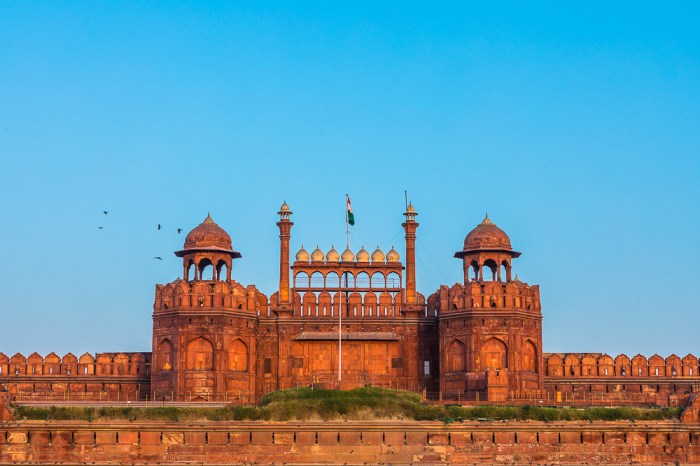
Successfully capturing stunning photographs of famous landmarks requires meticulous planning. This involves considering factors beyond simply arriving at the location; it encompasses strategic itinerary design, comprehensive packing, and a realistic budget. Failing to plan adequately can lead to missed opportunities, unexpected expenses, and ultimately, subpar photographic results.
Detailed 5-Day Itinerary for Landmark Photography
A well-structured itinerary maximizes photographic opportunities while accounting for travel time and optimal lighting conditions. This sample itinerary focuses on a hypothetical trip, but the principles can be adapted to any location. Assume the landmarks are within reasonable driving distance of each other.
Day 1: Arrival and City Exploration. Arrive in the city, check into accommodation, and spend the afternoon exploring a less crowded area to acclimate and test equipment. Capture sunset shots of a secondary landmark or cityscape.
Day 2: Iconic Landmark 1 – Golden Hour Photography. Focus on the primary landmark, arriving early to capture the golden hour light (sunrise or sunset) for optimal lighting and fewer crowds. Spend the afternoon editing photos and exploring nearby areas.
Day 3: Iconic Landmark 2 – Daytime Photography & Different Perspectives. Explore a second major landmark, utilizing various angles and perspectives throughout the day. Consider using a drone (if permitted and legal) for unique aerial shots.
Day 4: Hidden Gems & Local Culture. Explore lesser-known locations related to the main landmarks or capture local life scenes. This provides variety and depth to your portfolio. Consider night photography of city lights.
Day 5: Departure. Allow ample time for packing, final photo editing, and travel to the airport. Consider capturing a final sunrise shot as a parting memory.
Travel Photography Packing List
Packing efficiently for a photography trip is crucial. Overpacking leads to unnecessary weight and hassle, while underpacking can severely limit your photographic capabilities.
The following list balances essential equipment with adaptability to various weather conditions:
- Cameras (primary and backup)
- Lenses (wide-angle, telephoto, macro – depending on the landmarks)
- Tripod
- Remote Shutter Release
- Extra Batteries & Charger
- Memory Cards (plenty of storage)
- Cleaning Kit (lens cloth, blower)
- Portable Hard Drive for backup
- Laptop for editing (optional, but recommended)
- Rain Cover for camera equipment
- Appropriate clothing for varying weather conditions (layers are key)
- Comfortable walking shoes
- Sunscreen, hat, sunglasses
Photography Trip Budget Breakdown
Budgeting is essential to avoid unexpected financial strain. This is a sample budget, and actual costs will vary based on location, travel style, and equipment owned.
A realistic budget should include the following categories:
| Category | Estimated Cost (USD) |
|---|---|
| Flights | $500 – $1500 (depending on origin and destination) |
| Accommodation (5 nights) | $500 – $1500 (depending on hotel choice) |
| Food & Drinks | $300 – $700 (depending on dining choices) |
| Transportation (local travel) | $100 – $300 (consider taxis, public transport, or rental car) |
| Entrance Fees (to landmarks) | $50 – $200 (depending on the landmarks visited) |
| Incidentals (souvenirs, unexpected expenses) | $100 – $300 |
| Total Estimated Cost | $1550 – $4500 |
Mastering Photography Techniques at Famous Landmarks
Capturing stunning photographs of famous landmarks requires more than just pointing your camera and shooting. Understanding the interplay of camera settings, composition techniques, and post-processing skills is crucial for creating images that truly capture the grandeur and essence of these iconic locations. This section will guide you through mastering these techniques to elevate your landmark photography.
Camera Settings for Various Lighting Conditions
Achieving sharp and well-exposed images of landmarks depends heavily on adapting your camera settings to the prevailing light. Sunrise, midday, and sunset each present unique challenges and opportunities. The key is understanding the relationship between aperture, shutter speed, and ISO.
Sunrise and Sunset: During these “golden hours,” the light is softer and warmer, creating a magical atmosphere. However, the light levels are lower, requiring adjustments. A wider aperture (e.g., f/2.8 to f/5.6) allows more light to enter the camera, resulting in a shallower depth of field that can beautifully blur the background and emphasize the landmark. A slower shutter speed (depending on your lens and desired effect, potentially ranging from 1/60th of a second to several seconds) might be necessary to compensate for the lower light.
Keep your ISO relatively low (ISO 100-400) to minimize noise. Using a tripod is highly recommended to avoid blurry images due to camera shake with slower shutter speeds.
Midday: Midday sun is harsh and can lead to high contrast and blown-out highlights. A smaller aperture (e.g., f/8 to f/16) increases the depth of field, ensuring the entire landmark is in focus. A faster shutter speed (e.g., 1/250th of a second or faster) prevents overexposure. You might need to use a lower ISO (ISO 100-200) to avoid overexposing the image.
Consider using a polarizing filter to reduce glare and enhance colors.
Composition Techniques for Landmark Photography
Composition is the art of arranging elements within your frame to create a visually appealing image. Several techniques can significantly enhance the impact of your landmark photographs.
Rule of Thirds: Instead of centering the landmark, position it along one of the imaginary lines that divide the frame into thirds both horizontally and vertically. This creates a more dynamic and engaging composition. For example, placing a majestic mountain range along the bottom third of the frame with a vast sky above creates a sense of scale and grandeur.
Leading Lines: Utilize natural or man-made lines (roads, rivers, fences) to draw the viewer’s eye towards the landmark. These lines create a sense of depth and perspective, guiding the viewer’s gaze directly to the focal point. A photograph of a long, winding road leading to a distant castle is a classic example of this technique.
Symmetry: If the landmark possesses symmetrical features, utilize this to create a balanced and harmonious composition. Reflecting buildings or perfectly aligned structures offer opportunities for stunning symmetrical shots. For example, a photograph of a building reflected perfectly in a still pond exemplifies symmetry.
Post-Processing Techniques for Enhanced Aesthetics
Post-processing is an essential step in refining your images and achieving the desired aesthetic. However, it’s crucial to avoid over-editing, which can make your images look unnatural.
Color Correction: Adjust the white balance to ensure accurate colors. Subtly enhance contrast and saturation to make the landmark pop, but avoid overdoing it. Slight adjustments to highlights and shadows can further refine the image’s dynamic range.
Sharpness and Clarity: Carefully sharpen your images to enhance detail without introducing artifacts. Consider using tools like clarity or vibrance to improve the overall crispness and vibrancy of the image without over-sharpening or creating halos.
Cropping and Straightening: Cropping can improve composition and eliminate distracting elements. Straighten any tilted horizons for a more professional look. Careful cropping can also enhance the impact of the rule of thirds or leading lines.
Capturing Unique Perspectives of Famous Landmarks
Moving beyond the standard postcard shot requires a creative approach to photographing iconic landmarks. This involves thinking outside the box, experimenting with different angles, and incorporating the surrounding environment to create images that are both visually striking and tell a unique story. By mastering these techniques, you can elevate your travel photography from snapshots to compelling narratives.
Achieving unique perspectives involves more than just finding a different vantage point; it’s about seeing the landmark in a new light, literally and figuratively. This requires careful consideration of composition, lighting, and the elements surrounding the landmark itself. The goal is to create images that are not only aesthetically pleasing but also evoke a sense of place and atmosphere.
Creative Approaches to Unique Angles and Perspectives
Several techniques can be employed to capture unique angles of famous landmarks, avoiding the overused tourist perspectives. These strategies encourage photographers to explore unconventional viewpoints and incorporate surrounding elements to enrich the image’s narrative.
- Shoot from an Unexpected Elevation: Instead of shooting from ground level, try finding higher ground – a rooftop, a nearby hill, or even a tall building. This provides a dramatic bird’s-eye view, offering a completely different perspective on the landmark’s scale and relationship to its surroundings. Imagine capturing the Eiffel Tower from the top of the Arc de Triomphe, showing the city spread out below, or the Great Wall of China snaking across the landscape from a high-altitude vantage point.
- Utilize Reflections: Incorporate reflective surfaces like water, glass buildings, or even puddles to create interesting compositions. The reflection can add symmetry, depth, and a unique visual element to your photograph. A photograph of the Chrysler Building reflected in a rain-slicked street, for instance, adds a layer of urban texture and visual interest.
- Employ Leading Lines: Use natural or man-made leading lines, such as roads, fences, or even crowds of people, to draw the viewer’s eye towards the landmark. This technique creates a sense of depth and guides the viewer’s gaze, making the landmark the focal point in a more dynamic way. A picture of a long, straight road leading directly to the Taj Mahal, for example, emphasizes the monument’s grandeur and distance.
- Explore Low Angles: Get down low to the ground and shoot upwards. This perspective can dramatically alter the scale and proportions of the landmark, making it appear more imposing and majestic. Imagine photographing the leaning tower of Pisa from a very low angle, emphasizing its tilt and height in a visually compelling way.
- Frame the Landmark: Use elements in the foreground, such as trees, arches, or other architectural features, to create a natural frame around the landmark. This technique adds depth and context, making the landmark feel more integrated into its environment. A photograph of the Colosseum partially obscured by ancient Roman columns in the foreground, for example, would create a more immersive and historically rich image.
Incorporating Environmental Elements for Context and Depth
The environment surrounding a landmark is integral to its story. Successfully incorporating these elements adds depth, context, and a sense of place to your photographs. This goes beyond simply including the landmark; it’s about showcasing its relationship with its surroundings.
For example, including people in your shot can provide a sense of scale and activity. A lone figure silhouetted against the setting sun behind the Statue of Liberty provides a sense of human scale against the backdrop of the monument’s immensity. Similarly, incorporating natural elements like trees, water, or mountains can contextualize the landmark within its geographical setting. A photograph of Machu Picchu nestled amongst the Andes mountains adds a sense of wonder and remoteness.
Utilizing Different Lenses for Varied Perspectives
The choice of lens significantly impacts the perspective and effect of your landmark photograph. Different lenses offer unique capabilities for capturing diverse viewpoints.
A wide-angle lens (e.g., 16-35mm) is ideal for capturing the landmark within its broader environment, showcasing its relationship to the surrounding landscape or cityscape. This allows you to include more of the scene, emphasizing the landmark’s scale and context. A wide-angle shot of the pyramids of Giza, encompassing the vast desert landscape, would highlight their imposing size and historical significance.
Conversely, a telephoto lens (e.g., 70-200mm or longer) allows you to isolate the landmark, compressing perspective and creating a more intimate view. A telephoto shot of a single detail on the Parthenon, such as a weathered column or intricate carving, would emphasize its artistry and historical detail.
Travel Photography Tips & Hacks
Successfully capturing stunning landmark photographs often hinges not just on photographic skill, but also on smart planning and efficient workflow. These travel photography tips and hacks aim to streamline your process, minimize stress, and maximize your chances of capturing memorable images. They cover practical advice to make your photography trips smoother and more productive.
Practical Travel Hacks for Photographers
Effective travel photography requires more than just a good camera; it necessitates careful planning and efficient strategies to optimize your time and resources. The following table Artikels five practical hacks to simplify your travel photography workflow.
| Hack | Description | Benefits | Example |
|---|---|---|---|
| Pack Light, Shoot Smart | Prioritize essential gear; utilize versatile lenses and consider digital storage over physical prints. | Reduces baggage fees, increases mobility, minimizes risk of loss or damage. | Instead of carrying multiple lenses, a versatile zoom lens (e.g., 24-70mm) can cover a wide range of shooting scenarios. |
| Utilize Cloud Storage | Regularly back up your photos to a cloud service to prevent data loss. | Provides redundancy, accessibility from anywhere, and peace of mind. | Services like Google Photos, Dropbox, or iCloud offer automatic backup features. |
| Master Presets and Editing Software | Create custom presets for consistent editing and speed up post-processing. | Saves time, ensures a uniform look across your portfolio, and allows for faster sharing. | Develop a preset for vibrant landscape shots or another for moody architectural photos. |
| Learn Basic Camera Maintenance | Carry cleaning supplies (e.g., lens cloth, blower brush) to maintain equipment cleanliness. | Prevents dust and smudges from affecting image quality. | Regularly clean your lens to ensure crisp and clear photographs. |
| Plan Golden Hour Shoots | Schedule photography sessions during sunrise and sunset for optimal lighting. | Soft, warm light enhances images, creating a more appealing and dramatic effect. | Check sunrise/sunset times in advance and plan your itinerary accordingly. |
Drone Usage for Landmark Photography: Advantages and Disadvantages
Drones offer unique perspectives for landmark photography, but their use comes with considerations. Weighing the advantages and disadvantages is crucial for responsible and legal operation.Drones provide unparalleled aerial views, allowing for dramatic shots impossible from ground level. They offer flexibility in positioning and composition, capturing sweeping panoramas or intricate details. However, legal restrictions vary significantly by location, with many areas requiring permits or restricting drone flights near sensitive sites or populated areas.
Ethical concerns include respecting privacy, avoiding disruption to wildlife or historical sites, and adhering to local regulations. Unauthorized drone use can result in fines or legal repercussions. For instance, flying a drone near an airport without permission could lead to serious consequences.
Overcoming Common Challenges in Landmark Photography
Photographing famous landmarks presents specific obstacles. Understanding and addressing these challenges is key to capturing successful images.Crowds can obstruct views and hinder composition. Strategies to overcome this include arriving early or late to avoid peak times, using a longer lens to compress the scene and minimize the appearance of crowds, or using post-processing techniques to digitally remove people from the frame.
Bad weather can significantly impact image quality. Utilizing protective gear for your equipment and being prepared to reschedule or adapt your shooting plans is crucial. Limited shooting time, often a constraint when traveling, necessitates pre-planning, efficient workflows, and prioritizing key shots. Careful location scouting and understanding the light conditions will help optimize the limited time available.
Travel Insurance and Visa Considerations
Planning a photography trip to capture iconic landmarks requires careful consideration beyond just camera settings and composition. Protecting your investment – both financial and personal – is paramount. This section details the importance of travel insurance and visa requirements, ensuring a smooth and worry-free adventure. Neglecting these crucial aspects can lead to significant complications and unforeseen expenses.
Travel Insurance Comparison
Choosing the right travel insurance is vital. Different plans offer varying levels of coverage, impacting your financial protection in case of emergencies or unforeseen circumstances. The following table compares three hypothetical plans, illustrating the range of coverage available. Remember to always review the specific policy details before purchasing.
| Feature | Plan A (Basic) | Plan B (Standard) | Plan C (Premium) |
|---|---|---|---|
| Lost Equipment Coverage | $500 | $1000 | $2500 |
| Medical Emergency Coverage | $10,000 | $25,000 | $50,000 |
| Trip Cancellation Coverage | 50% of prepaid expenses (up to $1000) | 75% of prepaid expenses (up to $2500) | 100% of prepaid expenses (up to $5000) |
Visa Requirements for Landmark Photography Trips
Visa requirements vary significantly depending on your nationality and your destination. Failing to obtain the necessary visa can result in denied entry, significant delays, and even legal repercussions. The following provides a brief overview of visa requirements for three countries renowned for their iconic landmarks. This information is for illustrative purposes only and should not be considered exhaustive.
Always consult the official embassy or consulate website for the most up-to-date and accurate information.
Visa Requirements: France (Eiffel Tower)
For many nationalities, a Schengen Visa is required for tourism in France. Applicants typically need a valid passport, proof of accommodation and travel plans, proof of sufficient funds, and a completed application form. The application process usually involves submitting the documents to a visa application center or embassy and attending an interview.
Visa Requirements: Japan (Mount Fuji)
Depending on nationality, a visa may or may not be required for a short tourist visit to Japan. Citizens of certain countries can enter Japan visa-free for tourism for a limited period. Those requiring a visa need to submit a completed application form, passport, proof of financial means, and itinerary.
Visa Requirements: United States (Grand Canyon)
The ESTA (Electronic System for Travel Authorization) is required for citizens of many countries visiting the United States for tourism. This is an online application that needs to be completed before travel. Other nationalities may require a traditional visa, involving a more extensive application process and potential interview.
Consequences of Inadequate Insurance or Incorrect Visa
Not having adequate travel insurance or the correct visa can have serious consequences. In the case of inadequate insurance, you may face significant out-of-pocket expenses for medical emergencies, lost or stolen equipment, or trip cancellations. For instance, a serious medical emergency without adequate coverage could lead to crippling debt. Similarly, traveling without the correct visa could result in deportation, fines, and a damaged travel record, potentially impacting future travel plans.
In extreme cases, it might even lead to legal repercussions.
Exploring Urban Escapes and Vacation Planning
Urban escapes offer a fantastic opportunity to combine city exploration with focused photography. A well-planned trip allows for capturing the essence of urban life, from architectural marvels to the candid moments of everyday street scenes. This section details how to design such an escape, comparing different vacation packages and demonstrating how to integrate cultural experiences into your photography journey.
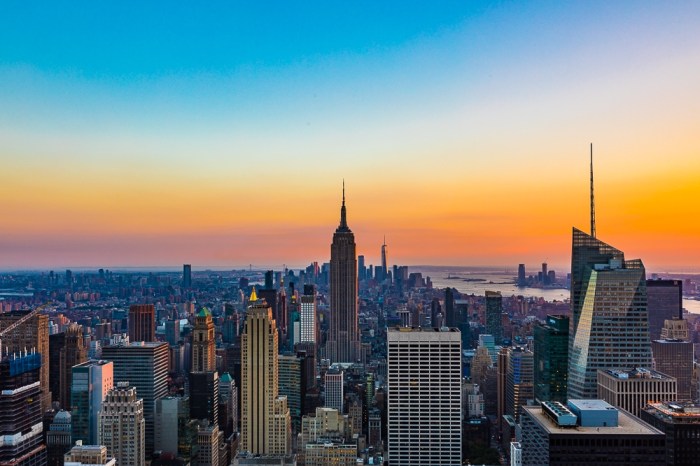
A Three-Day Street and Architectural Photography Itinerary in New York City
This itinerary focuses on capturing the diverse architectural styles and vibrant street life of New York City. The schedule balances iconic landmarks with hidden gems, providing a rich photographic experience.
Day 1: Downtown Manhattan
Morning: Begin at the iconic One World Trade Center, capturing its imposing structure and the surrounding memorial. Then, explore the Financial District, photographing the historic architecture and the bustling streets. Consider capturing the contrast between modern skyscrapers and older buildings.
Afternoon: Walk across the Brooklyn Bridge, capturing its intricate design and the stunning city skyline. Explore DUMBO, known for its cobblestone streets and unique perspective of the Manhattan Bridge.
Evening: Capture the vibrant nightlife of Greenwich Village, focusing on street scenes and the character of the neighborhood.
Day 2: Midtown Manhattan & Central Park
Morning: Start with Times Square, capturing the dazzling lights and energy. Then, explore the architectural diversity of Midtown, photographing iconic buildings like the Chrysler Building and Grand Central Terminal.
Afternoon: Spend the afternoon in Central Park, capturing the beauty of the park’s architecture, landscaping, and the people enjoying the space. Focus on details, such as the Bethesda Terrace and Fountain.
Evening: Explore the Theater District, capturing the pre-show energy and the architectural details of the theaters.
Day 3: Upper Manhattan & Beyond
Morning: Visit the Metropolitan Museum of Art, photographing its impressive exterior architecture and perhaps capturing some details inside (if photography is allowed). Explore the Upper East Side, known for its elegant brownstones.
Afternoon: Take a ferry to Governors Island for unique perspectives of the Manhattan skyline and the Statue of Liberty.
Evening: Enjoy a final stroll through a neighborhood of your choice, capturing the ambiance of the city at sunset.
Comparison of Two Photography Vacation Packages
This section compares two hypothetical photography vacation packages, highlighting their differences in price, itinerary, and included activities.
| Feature | Package A: “Urban Explorer” | Package B: “Architectural Immersion” |
|---|---|---|
| Price | $2500 | $4000 |
| Duration | 7 days | 10 days |
| Location | London, England | Rome, Italy |
| Itinerary | Focuses on street photography, with workshops and guided tours. Includes some landmark visits. | Intensive architectural photography focus, with private access to some sites and expert-led critiques. |
| Included Activities | Street photography workshop, guided walking tours, entry to some museums. | Private architectural photography tour, access to restricted areas, professional portfolio review. |
Package A, while less expensive, offers a broader range of experiences, balancing landmark photography with street photography. Package B is a premium experience focusing exclusively on architectural photography with more personalized instruction and access.
Sample Vacation Program: Landmark Photography and Cultural Experiences in Kyoto, Japan
This program combines the photography of iconic landmarks with immersive cultural experiences in Kyoto.
Day 1: Arrival and Gion Exploration
Arrive in Kyoto, check into your accommodation, and begin exploring Gion, Kyoto’s geisha district. Capture the traditional wooden machiya houses and the serene atmosphere. Attend a tea ceremony in the evening for a cultural immersion.
Day 2: Golden Pavilion and Bamboo Forest
Photograph Kinkaku-ji (Golden Pavilion), focusing on its reflection in the pond. Later, explore Arashiyama Bamboo Grove, capturing the stunning visual textures and light filtering through the bamboo stalks. Visit a local sake brewery for a tasting.
Day 3: Fushimi Inari Shrine and Kiyomizu-dera Temple
Photograph the thousands of vibrant red torii gates at Fushimi Inari Shrine, capturing the perspective and scale. In the afternoon, visit Kiyomizu-dera Temple, photographing its wooden stage and panoramic views. Attend a traditional Japanese cooking class.
Day 4: Departure
Depart from Kyoto, taking with you stunning photographs and rich cultural memories.
Venture Capital and Travel Photography Businesses
The travel photography industry presents a lucrative opportunity for entrepreneurs, particularly those focusing on niche markets and leveraging digital platforms. Success, however, requires a well-defined business model, a strong understanding of financial management, and potentially, securing venture capital funding. This section explores the key aspects of building a profitable travel photography business and the role of venture capital in its growth.The potential for profit in travel photography is significant, driven by the ever-increasing demand for high-quality images for personal use, marketing, and media.
A clear understanding of the financial landscape is crucial for success.
Business Models for Travel Photography
Several successful business models exist within the travel photography industry. These models often cater to specific niches and target audiences. For instance, a photographer might specialize in capturing stunning landscapes for high-end travel brochures, focusing on a luxury travel agency clientele. Alternatively, a photographer could build a business around offering personalized photo tours, guiding clients to picturesque locations and providing photography instruction.
Another successful approach involves creating and selling stock photography online through platforms like Shutterstock or Adobe Stock. Finally, a niche business might focus on providing aerial photography services using drones, catering to real estate agents or tourism boards. Each model requires a distinct marketing strategy and operational plan. For example, the stock photography model requires a large volume of high-quality images, while the personalized photo tour model demands excellent communication and teaching skills.
Financial Aspects of Starting a Travel Photography Business
Starting a travel photography business involves several key financial considerations. Startup costs include purchasing high-quality camera equipment, investing in software for editing and storage, and potentially paying for travel expenses to reach desirable locations. A realistic budget should also factor in marketing and advertising costs, website development, and insurance. Pricing strategies vary depending on the chosen business model.
For example, a photographer offering personalized tours might charge a daily or hourly rate, while a stock photographer might price images based on usage rights. Revenue projections should be based on market research, understanding the pricing of competitors, and realistic estimates of client acquisition. A successful business plan will incorporate detailed financial forecasts, outlining projected revenue, expenses, and profitability over a specified period.
For example, a photographer specializing in stock photography might project revenue based on the number of images sold, factoring in the average price per image and the projected number of downloads.
Securing Venture Capital Funding
Securing venture capital for a travel photography business requires a compelling business plan demonstrating market opportunity, a scalable business model, and a strong management team. The process typically involves pitching the business idea to venture capitalists, presenting detailed financial projections, and navigating due diligence. Investor expectations will vary depending on the stage of the business and the amount of funding sought.
Early-stage funding may focus on product development and market entry, while later-stage funding might support expansion and scaling. Investors will look for strong return on investment (ROI) potential and a clear exit strategy. For example, a travel photography business seeking venture capital might highlight its potential for growth through strategic partnerships with travel agencies or media companies, demonstrating a clear path to profitability and a potential acquisition by a larger player in the industry.
The presentation should convincingly demonstrate the team’s capabilities and their ability to manage the financial risks involved in the business. A detailed financial model, projecting revenue and expenses over several years, is critical to securing funding.
Mastering travel photography at famous landmarks is a journey of skill, planning, and creative vision. By combining meticulous preparation, a solid understanding of photographic techniques, and a willingness to experiment, you can capture truly memorable images. Remember that the most impactful photographs often come from a thoughtful approach, a keen eye for detail, and a genuine appreciation for the beauty of your surroundings.
So, pack your bags, charge your batteries, and embark on your photographic adventure!
General Inquiries
What’s the best time of day to photograph landmarks?
The “golden hour” (sunrise and sunset) offers soft, warm light ideal for photography. Midday sun can create harsh shadows, but can be used creatively.
How do I deal with crowds in my photos?
Arrive early or late to avoid peak crowds. Use a longer lens to compress the scene and minimize visible people, or try returning at night for a different perspective.
What kind of editing software should I use?
Adobe Lightroom and Photoshop are popular choices, offering extensive tools for image editing. Many free alternatives also exist, depending on your needs and skill level.
Should I always use a tripod?
A tripod is beneficial for sharp images, especially in low light. However, it’s not always practical or necessary, depending on the situation and your camera’s capabilities.