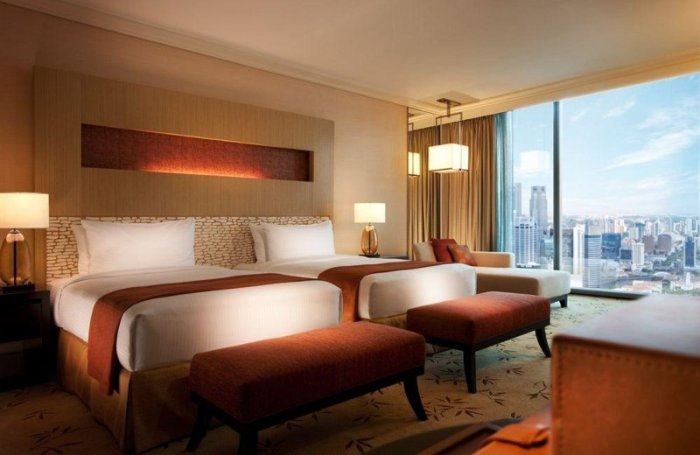
Finding the perfect accommodation can significantly impact your travel experience. From budget-conscious backpacking adventures to luxurious family getaways, the right choice ensures comfort, convenience, and enhances your overall enjoyment. This guide explores various accommodation types, location considerations, essential amenities, booking strategies, and even travel hacks to help you navigate the world of lodging and find the ideal place to rest your head.
We’ll delve into practical tips for comparing hotels, hostels, Airbnbs, and resorts, examining their price points, amenities, and suitability for different travel styles. Learn how to leverage online tools, reviews, and even unconventional methods to secure the best possible accommodation for your next trip, all while keeping your budget and preferences in mind.
Types of Accommodation
Choosing the right accommodation is crucial for a successful trip, impacting both your budget and overall experience. Different types of accommodation cater to diverse travel styles and preferences, offering a wide spectrum of amenities and price points. Understanding these differences is key to making an informed decision.
Comparison of Accommodation Types
The table below summarizes the key differences between various accommodation types. Price ranges are approximate and can vary significantly based on location, season, and specific property.
| Type | Price Range | Amenities | Target Audience |
|---|---|---|---|
| Hotels | $50 – $500+ per night | Private rooms, bathrooms, daily housekeeping, often include pools, restaurants, and fitness centers. | Wide range, from budget travelers to luxury seekers, business travelers, families. |
| Hostels | $15 – $50 per night | Dorm rooms or private rooms, shared bathrooms, common areas, often offer social events. | Budget travelers, backpackers, solo adventurers, young people. |
| Airbnb | $30 – $500+ per night | Varies greatly depending on the listing; can range from private rooms to entire houses or apartments, often includes kitchen facilities. | Families, groups of friends, long-term stays, travelers seeking a more local experience. |
| Resorts | $100 – $1000+ per night | Luxurious accommodations, extensive amenities such as multiple restaurants, pools, spas, golf courses, and organized activities. | Luxury travelers, families seeking all-inclusive vacations, couples. |
Accommodation Choices for Different Travel Styles
The ideal accommodation type varies significantly depending on your travel style and budget.Budget backpacking often favors hostels due to their affordability and social atmosphere. Hostels prioritize cost-effectiveness over luxury, offering a basic but functional stay. While amenities might be limited, the communal aspect can be a significant advantage for solo travelers seeking interaction. Conversely, luxury travel typically involves hotels or resorts, prioritizing comfort, amenities, and personalized service.
These options offer high-end accommodations, excellent dining, and a wide range of services. Family vacations often benefit from Airbnb or family-friendly resorts. Airbnbs can offer more space and kitchen facilities, ideal for families needing to prepare meals. Resorts provide a convenient all-inclusive experience with dedicated children’s activities and amenities.
Decision-Making Flowchart for Accommodation Selection
The following flowchart illustrates a simplified decision-making process. Imagine a visual flowchart here with boxes and arrows. The starting point would be “Determine Travel Budget.” This would branch into “High Budget,” “Medium Budget,” and “Low Budget.” Each branch would then further branch based on preferences such as “Need for Privacy,” “Desire for Social Interaction,” “Importance of Amenities,” and “Travel Companions.” The final nodes would represent the recommended accommodation types based on the path taken.
For example, a high budget with a preference for privacy and extensive amenities would lead to “Luxury Hotel/Resort,” while a low budget with a desire for social interaction would lead to “Hostel.” A medium budget with a family traveling together might lead to “Airbnb.” The specific details of each branch would reflect the decision points explained in the previous sections.
Location and Accessibility
Choosing the right location for your accommodation is paramount to a positive travel experience. A well-situated hotel, hostel, or vacation rental can significantly enhance your trip by providing easy access to attractions, reliable transportation options, and a safe environment. Conversely, a poorly chosen location can lead to wasted time, unnecessary expenses, and even safety concerns. This section will guide you through assessing location and accessibility to ensure your accommodation choice complements your travel plans.Location significantly impacts your overall travel experience.
Proximity to key attractions minimizes travel time and costs, allowing you to maximize your sightseeing opportunities. For instance, a traveler focused on exploring historical sites in Rome would ideally choose accommodation near the Colosseum or the Roman Forum. Similarly, someone attending a conference in a major city would benefit from a hotel near the convention center. Accessibility to reliable transportation is equally crucial.
Easy access to public transport like subways, buses, or trains allows for convenient exploration without relying on taxis or ride-sharing services, which can be expensive. For those renting a car, convenient parking is a must-have. Finally, safety is a primary concern. Choosing a well-lit and populated area reduces the risk of encountering crime or other safety hazards.
A family traveling with children, for example, might prioritize a location known for its family-friendly atmosphere and low crime rates.
Ideal Locations for Different Traveler Profiles
The ideal location varies greatly depending on the traveler’s profile and priorities. A solo backpacker might prioritize budget-friendly accommodations in a central, vibrant neighborhood with easy access to nightlife and social activities. A couple on a romantic getaway might opt for a quieter, more luxurious hotel in a scenic location with easy access to romantic restaurants and attractions.
Business travelers often prioritize proximity to their meeting locations and access to reliable Wi-Fi. Families with young children might prioritize safe, family-friendly neighborhoods with parks and playgrounds nearby. Choosing accommodation that aligns with your travel style and priorities ensures a smoother and more enjoyable experience.
Finding Accommodations with Convenient Transportation Access
When searching for accommodation, utilize online booking platforms’ filter options to specify your transportation needs. Many platforms allow you to filter results based on proximity to public transportation stops (subway stations, bus stops, train stations) or the availability of on-site parking. Reading reviews from previous guests can also offer valuable insights into the ease of accessing transportation from a specific accommodation.
Look for comments that mention the walking distance to public transport or the availability and cost of parking. Consider using online mapping tools to visually assess the distance between your potential accommodation and key transportation hubs.
Assessing Safety and Accessibility Using Online Maps and Reviews
Online mapping services like Google Maps offer a wealth of information about a potential accommodation’s surroundings. Use the street view feature to visually inspect the area, paying attention to lighting, pedestrian traffic, and the overall condition of the neighborhood. Read reviews on platforms like TripAdvisor, Booking.com, or Expedia, paying close attention to comments regarding safety and accessibility. Look for mentions of crime, noise levels, or accessibility challenges for individuals with disabilities.
Consider the overall tone and frequency of safety-related comments. A consistent pattern of negative comments about safety or accessibility should raise a red flag. Remember to cross-reference information from multiple sources to gain a comprehensive understanding of the area’s safety and accessibility.
Amenities and Services
Choosing accommodation involves more than just location; the amenities and services offered significantly impact your overall experience. Understanding what’s essential and desirable, and how to verify their quality, is crucial for a satisfying trip. This section will guide you through identifying key amenities, verifying their availability, and using online booking tools to your advantage.
The importance of amenities and services cannot be overstated. They directly contribute to comfort, convenience, and overall enjoyment during your stay. Whether you’re a budget traveler prioritizing essentials or a luxury seeker demanding premium services, understanding what to look for is key.
Essential and Desirable Amenities for Different Travelers
The ideal amenities vary greatly depending on individual travel styles and priorities. A backpacking trip requires different considerations than a family vacation or a romantic getaway. This section details essential and desirable amenities for various traveler profiles.
- Budget Travelers: Prioritize free Wi-Fi, clean and functional rooms, and potentially a secure luggage storage area. While amenities like a pool or gym are nice-to-haves, they’re often secondary to affordability and basic comfort.
- Family Travelers: Look for family-friendly accommodations with features like cribs, high chairs, children’s play areas, and potentially connecting rooms or suites for added privacy and convenience. A swimming pool or other on-site entertainment options can also greatly enhance the family experience. The availability of laundry facilities is also a considerable advantage.
- Business Travelers: Essential amenities include reliable high-speed Wi-Fi, a comfortable workspace (desk, ergonomic chair), and potentially a business center with printing and faxing services. Proximity to business districts and convenient transportation links are also important considerations.
- Luxury Travelers: Expect premium amenities such as a spa, concierge service, multiple dining options, and high-end room features like a private balcony or jacuzzi. Exceptional service and attention to detail are paramount.
- Pet Owners: Pet-friendly accommodations are essential for those traveling with their furry friends. Look for accommodations that clearly state their pet policies, including any associated fees or restrictions on pet size or breed.
Verifying Amenity Availability and Quality
Don’t rely solely on the descriptions provided on booking sites. Cross-referencing information from multiple sources and actively seeking out guest reviews can provide a more accurate picture of the amenities’ availability and quality.
Examine photos carefully; many platforms allow users to upload their own photos, offering a more realistic view than professionally staged images. Look for reviews that specifically mention the amenities you consider essential. For example, if Wi-Fi is a priority, search for reviews mentioning its speed and reliability. Pay attention to negative reviews regarding cleanliness or maintenance issues related to specific amenities (e.g., a broken pool, malfunctioning gym equipment).
Utilizing Online Booking Platforms for Amenity-Based Filtering
Most major online travel agencies (OTAs) offer robust filtering options to help you narrow your search based on desired amenities. Effective use of these filters can significantly streamline your accommodation search.
Familiarize yourself with the filter options available on your preferred OTA. Most platforms allow you to filter by amenities such as Wi-Fi, pools, gyms, pet-friendliness, and parking. Some platforms even allow you to filter by more specific amenities, such as the type of bed (king, queen, etc.), kitchen facilities, or accessibility features. Experiment with different filter combinations to refine your search results and find the perfect accommodation that matches your needs and preferences.
Sorting results by guest rating can further enhance the selection process.
Booking and Payment
Securing your ideal accommodation involves more than just finding the perfect place; it also requires navigating the world of online booking platforms and making secure payments. Understanding the nuances of different booking sites and employing safe payment practices will ensure a smooth and stress-free travel experience. This section will guide you through the process, offering tips to help you get the best value for your money.Choosing the right booking platform is crucial for a positive experience.
Different platforms offer varying levels of service, price transparency, and customer protection.
Online Booking Platform Comparison
Several popular online travel agencies (OTAs) and direct booking options exist. Each has its strengths and weaknesses. For example, Booking.com is known for its vast selection and user-friendly interface, while Expedia often offers bundled deals including flights and car rentals. Airbnb focuses on unique accommodations like apartments and houses, while direct booking through a hotel’s website might offer loyalty program benefits or better cancellation policies.
However, direct booking may lack the price comparison tools offered by OTAs. It’s wise to compare prices across multiple platforms before committing to a booking. Consider factors like cancellation policies, customer reviews, and the overall reputation of the platform before making a decision.
Secure Online Booking and Payment Procedures
Booking accommodation online securely involves a series of steps. First, thoroughly research the accommodation and read reviews on multiple platforms. Next, carefully review the booking terms and conditions, paying close attention to cancellation policies and payment details. Ensure the website uses HTTPS (indicated by a padlock icon in the browser address bar), signifying a secure connection. When entering your payment information, only use trusted payment methods like credit cards or PayPal, and never share your financial details via email or unsecured websites.
After completing the booking, receive and save a confirmation email containing your booking reference number and all relevant details.
Negotiating Prices and Securing Accommodation Deals
Securing the best accommodation deals often requires a proactive approach. Booking in advance, especially during peak season, can sometimes lead to higher prices, but it guarantees availability. Conversely, last-minute bookings might offer discounts, but availability is less certain. Consider traveling during the shoulder season (the periods between peak and off-season) for potentially lower rates and fewer crowds. Flexible travel dates also increase your bargaining power.
Utilizing price comparison websites and taking advantage of special offers and promotions can also significantly reduce costs. Finally, don’t hesitate to contact the accommodation provider directly to inquire about potential discounts or special packages. Many establishments are willing to negotiate, especially for longer stays.
Reviews and Ratings
Online reviews and ratings are invaluable tools for discerning travelers seeking reliable accommodation. They offer a glimpse into the experiences of previous guests, allowing you to make informed decisions and avoid potential disappointments. However, it’s crucial to approach these reviews with a critical eye, understanding how to identify both genuine and misleading feedback.Analyzing online reviews effectively requires a multi-faceted approach.
Don’t just focus on the star rating; delve into the written comments to understand the nuances of the guest experience. Look for recurring themes – are multiple reviewers mentioning the same positive or negative aspects? Consider the reviewer’s profile; a detailed and well-written review from a frequent traveler might hold more weight than a single, short comment.
Identifying Fake or Biased Reviews
Spotting fake or biased reviews requires careful observation. Look for reviews that lack detail, are excessively positive or negative without justification, or use repetitive phrasing. Reviews that seem overly promotional or contain unnatural language might be suspect. Also, be wary of reviews posted shortly after the property opened or those with suspiciously similar wording to other reviews.
Comparing reviews across multiple platforms can also help reveal inconsistencies and potential manipulation. For example, if a property boasts overwhelmingly positive reviews on one site but consistently negative feedback on another, this might indicate a problem with review authenticity.
Key Factors to Consider When Reviewing Accommodation Ratings and Feedback
Before booking, consider several key factors when evaluating reviews. Pay attention to the consistency of feedback across different platforms. Look for specific details about the cleanliness, comfort, and amenities mentioned in the reviews. Consider the reviewer’s travel style and expectations; a backpacker’s review might differ significantly from that of a luxury traveler. Finally, consider the overall sentiment expressed in the reviews.
Are most reviewers happy with their stay, or are there significant concerns?
- Consistency Across Platforms: Check reviews on multiple sites (Booking.com, TripAdvisor, Expedia, etc.) to see if the overall sentiment is consistent.
- Specific Details: Look for reviews that provide specific examples and details, rather than generic statements. For example, instead of “The room was great,” a helpful review might say, “The room was spacious, with a comfortable king-size bed and a large, well-lit bathroom.”
- Reviewer’s Travel Style: Consider the reviewer’s background. A family traveling with young children might have different priorities than a couple on a romantic getaway.
- Overall Sentiment: Look for the overall tone and feeling expressed in the reviews. A preponderance of negative reviews should raise a red flag.
- Response to Reviews: Pay attention to how the accommodation responds to both positive and negative reviews. A prompt and professional response indicates good customer service.
Travel Hacks for Accommodation
Finding the perfect accommodation can significantly impact your travel experience. While booking through established platforms is convenient, exploring alternative options and employing smart strategies can unlock substantial savings and unique experiences. This section details several travel hacks to help you maximize your accommodation budget and minimize potential problems.
Unconventional Accommodation Options
Securing affordable and memorable accommodation often involves thinking outside the traditional hotel box. Exploring less conventional options can lead to significant cost savings and opportunities for authentic cultural immersion.
- House Sitting: Websites like TrustedHousesitters and Nomador connect homeowners needing temporary caretakers with travelers seeking free accommodation. In exchange for looking after pets and plants, you’ll receive free lodging, often in desirable locations. This option requires commitment and responsibility, but the rewards are considerable.
- Couchsurfing: This peer-to-peer hospitality platform connects travelers with locals willing to offer a free place to stay on their couch or spare room. It’s a fantastic way to meet people and experience a city from a local perspective. Remember to thoroughly review profiles and communicate clearly about expectations.
- Farm Stays: For a rural escape, consider farm stays. These offer a chance to immerse yourself in agricultural life while enjoying affordable lodging. You might even help with chores in exchange for a reduced rate or free stay.
Maximizing Accommodation Value
Smart booking strategies can significantly enhance the value you receive for your accommodation investment. Leveraging available resources and programs can lead to considerable savings.
- Loyalty Programs: Many hotel chains and booking platforms offer loyalty programs that reward repeat customers with points, discounts, or upgrades. Registering and actively using these programs can accumulate significant benefits over time. For example, Marriott Bonvoy or Hilton Honors offer various perks, including free nights and early check-in/late check-out.
- Discount Websites and Apps: Websites like Expedia, Booking.com, and Kayak often offer discounts and deals on accommodation. Using price comparison tools and setting price alerts can help you find the best possible rates.
- Negotiating Directly with Owners: For rentals like apartments or villas, contacting owners directly can sometimes lead to better rates, especially during off-season or for longer stays. Be polite, respectful, and clear about your needs.
Addressing Unexpected Accommodation Issues
Even with meticulous planning, unforeseen circumstances can arise. Having a proactive approach to potential problems is crucial for a smooth travel experience.
- Cancellation Policies: Always carefully review the cancellation policy before booking. Understanding the terms and conditions will protect you in case of unexpected changes to your travel plans. Consider purchasing travel insurance for added protection against unforeseen cancellations.
- Overbooking Contingency: While rare, overbooking can occur. If you find yourself in this situation, immediately contact the accommodation provider and the booking platform to seek alternative arrangements. Document all communication and keep records of any expenses incurred as a result.
- Addressing On-Site Issues: If you encounter problems during your stay (e.g., cleanliness issues, malfunctioning appliances), politely inform the accommodation provider immediately. Most providers are eager to resolve issues and ensure guest satisfaction. Keep a record of your communication for future reference.
Travel Insurance Considerations
Securing suitable travel insurance is a crucial step in planning any trip, and this is especially true when considering accommodation. A comprehensive travel insurance policy can provide a vital safety net, protecting you from significant financial losses and unexpected disruptions related to your chosen lodging. Failing to have adequate insurance could leave you vulnerable to substantial costs in the event of unforeseen circumstances.Travel insurance offers protection against a range of potential problems linked to your accommodation booking.
This includes, but is not limited to, cancellation of your trip due to illness or unforeseen events, damage to your belongings while staying at the accommodation, medical emergencies requiring hospitalization near your accommodation, and even liability claims if you accidentally cause damage to the property. The level of protection offered will vary significantly depending on the specific policy you choose.
Types of Travel Insurance Coverage
Travel insurance plans are available at various price points and with differing levels of coverage. Basic plans often cover only essential aspects like medical emergencies and trip cancellations due to specific, limited reasons. More comprehensive plans provide broader coverage, including things like lost luggage, trip interruptions, and potentially even cancellation due to a wider range of circumstances. For example, a comprehensive policy might cover cancellation if a family member falls ill, while a basic plan might only cover cancellation ifyou* fall ill.
Premium plans often include additional benefits such as 24/7 emergency assistance, concierge services, and higher coverage limits. The best option will depend on your individual needs and the risk tolerance for your specific trip.
Protecting Against Accommodation-Related Losses
Consider the potential financial losses related to accommodation. Suppose you book a non-refundable room and have to cancel due to an unexpected illness. Without travel insurance, you could lose the entire cost of your accommodation. However, with appropriate coverage, the insurance provider would reimburse you for the lost booking fee, mitigating the financial impact. Similarly, if your luggage is lost or stolen containing essential items, some plans cover the cost of replacing those items, which might be necessary to comfortably stay at your accommodation.
The peace of mind offered by knowing that such unforeseen circumstances are financially protected is invaluable.
Comparing Different Travel Insurance Plans
When comparing plans, pay close attention to the policy wording. Look for clear definitions of covered events, exclusions, and claim procedures. Don’t hesitate to contact the insurance provider directly to clarify any ambiguities. Compare the coverage limits for various events, such as trip cancellation, medical expenses, and baggage loss. Consider the overall cost of the policy in relation to the level of coverage provided.
A more expensive policy might be justified if it offers significantly broader coverage and higher limits, especially for high-value trips or trips to regions with higher risk. Remember that choosing the right plan depends on your specific needs and risk profile.
Travel Photography Opportunities
Your choice of accommodation significantly impacts the quality and variety of travel photographs you can capture. The location, views, and architectural style of your lodging all contribute to the photographic opportunities available to you. Consider your accommodation as a potential subject for your photography, as well as a base from which to explore and photograph other locations.The type of accommodation you choose directly influences the photographic possibilities.
Proximity to scenic viewpoints, unique architectural features, and interesting cultural elements all play a role. For instance, a hotel with a rooftop terrace offering panoramic city views provides vastly different photographic opportunities compared to a secluded cabin nestled in a forest.
Accommodation Types and Photo Opportunities
Choosing accommodation with inherent photographic appeal can significantly enhance your travel album. Hotels with stunning architectural designs, such as those with ornate facades or modern, minimalist aesthetics, offer compelling photographic subjects. Similarly, boutique hotels often boast unique interiors and decor, creating visually rich settings for photographs. Beachfront resorts provide access to breathtaking sunsets and seascapes, while mountain lodges offer dramatic mountain vistas as backdrops.
Consider the style of photography you prefer when making your choice; a rustic cabin might be perfect for nature photography, while a city-center hotel could be ideal for urban landscape shots.
Tips for Taking Stunning Accommodation Photographs
Several techniques can help you capture captivating images of your accommodation. First, consider the time of day. Golden hour (the hour after sunrise and the hour before sunset) offers soft, warm light ideal for showcasing architectural details and creating a sense of atmosphere. Experiment with different angles and perspectives. A high vantage point might reveal the stunning layout of a resort, while a low angle can emphasize the texture of a stone wall.
Pay attention to composition. Use the rule of thirds to create balanced and visually appealing images. Incorporate elements of the surrounding environment to add context and depth to your photographs. For example, include local flora or fauna in your shots of a countryside guesthouse. Finally, edit your photographs to enhance their visual appeal.
Adjusting brightness, contrast, and saturation can dramatically improve the overall look and feel of your images.
Urban Escapes and Vacation Packages
Urban escapes and vacation packages offer a convenient way to explore cities and enjoy pre-arranged itineraries, often including accommodation. Choosing the right accommodation within these packages is crucial for maximizing your experience. Understanding the options available and how they align with your travel style will ensure a memorable trip.Finding suitable accommodations for these types of trips often involves navigating various online travel agencies (OTAs) and package deals.
These packages usually bundle flights, hotels, and sometimes even activities, offering a potentially cost-effective and streamlined travel experience. However, it’s important to carefully examine the details to ensure the accommodation matches your preferences and expectations.
Accommodation Options in Vacation Packages
Vacation packages typically offer a range of accommodation options, from budget-friendly hostels and guesthouses to luxurious hotels and boutique stays. The specific choices depend heavily on the package provider and the destination. Consider the trade-offs between price, location, and amenities when comparing options. For instance, a package might offer a centrally located but smaller hotel room at a lower price point compared to a spacious room in a hotel slightly further from the city center.
Understanding these differences is key to making an informed decision.
Choosing Accommodations that Complement the Urban Escape
The ideal accommodation should enhance your overall urban escape experience. If your package centers around exploring historical sites, a hotel near the main attractions might be preferable to a more remote, luxurious option. Conversely, if relaxation and rejuvenation are priorities, a hotel with a spa or a quiet location away from the hustle and bustle might be a better fit, even if it means sacrificing proximity to tourist spots.
Consider the activities included in your package and choose accommodation that minimizes travel time and maximizes your enjoyment of those activities. For example, if a package includes a cooking class in a specific neighborhood, selecting a hotel in that area would make the experience more seamless.
Travel Visa Requirements
Securing the correct travel visa is a crucial step in planning any international trip, and this often has a significant impact on your accommodation choices. Understanding visa requirements early in the planning process can prevent unnecessary stress and complications during your journey. Failing to consider visa implications can lead to difficulties finding suitable accommodation or even delays in your travel plans.Visa requirements can directly influence your accommodation choices in several ways.
The location of your chosen accommodation, for example, may need to be close to an embassy or visa application center for ease of access during the visa processing period. Furthermore, the length of your permitted stay, as determined by your visa, will dictate the duration of your accommodation booking. Longer stays may require you to consider different accommodation types offering extended stay discounts or more flexible booking policies.
Visa Processing Center Proximity
The proximity of your chosen accommodation to the relevant embassy or visa application center is a key consideration. If you need to visit the center multiple times for interviews, biometrics, or document submissions, selecting accommodation nearby will save you considerable time and travel costs. Imagine needing to travel across a large city daily for visa processing; choosing accommodation within walking distance or a short taxi ride significantly simplifies the process and reduces stress.
For instance, if you are applying for a Schengen visa in Paris, selecting a hotel in the city center, near the consulate, would be far more practical than choosing a hotel in a distant suburb.
Impact of Visa Regulations on Accommodation Booking
Visa regulations directly impact the type of accommodation you can book and the length of your stay. For example, a tourist visa might only allow a 30-day stay, limiting your accommodation booking to that period. Conversely, a longer-term visa might allow for more flexibility, enabling you to consider extended-stay options like serviced apartments or rentals. Similarly, the type of visa may restrict the types of accommodations you can stay in.
Some visas may require you to stay in registered hotels, excluding options like hostels or Airbnb. A business visa might require accommodation reflecting the professional nature of your visit. Booking a stay in a business hotel, rather than a budget-friendly hostel, would be more suitable in this instance.
Checklist for Considering Visa Requirements When Choosing Accommodation
Before booking accommodation, it is crucial to check several factors related to your visa. This checklist will help you ensure a smooth travel experience.
- Visa Type and Duration: Confirm the type of visa you need and the duration of your permitted stay. This dictates the length of your accommodation booking.
- Embassy/Visa Application Center Location: Identify the nearest embassy or visa application center to your potential accommodation options.
- Accommodation Requirements: Check if your visa has specific accommodation requirements (e.g., registered hotels only).
- Booking Flexibility: Consider the cancellation policy of your chosen accommodation, in case your visa application is delayed or rejected.
- Budget Considerations: Factor in potential additional travel costs to and from the visa application center when choosing your accommodation.
Ultimately, selecting the perfect accommodation comes down to careful planning and understanding your priorities. By considering factors such as budget, location, amenities, and reviews, you can significantly enhance your travel experience. Remember to utilize online booking platforms effectively, negotiate prices where possible, and always secure travel insurance for unforeseen circumstances. With a little research and planning, your next trip can be as smooth and enjoyable as possible, starting with the perfect place to stay.
Questions Often Asked
What is the best time to book accommodations for the best prices?
Generally, booking well in advance (2-3 months) or at the last minute (a few days before) can sometimes yield better deals, depending on the destination and season. Mid-week stays often offer lower prices than weekend stays.
How can I avoid scams when booking accommodation online?
Stick to reputable booking platforms, check for secure payment gateways (HTTPS), read reviews carefully, and verify the accommodation’s legitimacy through other sources like Google Maps or the property’s official website.
What should I do if my accommodation booking is canceled?
Contact the booking platform immediately and review your travel insurance policy. Many policies cover cancellation fees if unforeseen circumstances arise. The booking platform may also offer alternative accommodations.
Are there any hidden fees I should be aware of when booking accommodation?
Always check for additional fees like resort fees, cleaning fees, parking fees, or tourist taxes that might be added to the initial price displayed.