Embark on a journey of self-discovery with a customized vacation package designed specifically for the independent traveler. Whether you crave adrenaline-pumping adventures, serene relaxation, or immersive cultural experiences, tailoring your trip to your unique preferences unlocks unparalleled freedom and fulfillment. This guide explores the nuances of planning the perfect solo adventure, from choosing the ideal destination and crafting a captivating itinerary to mastering essential travel hacks and prioritizing safety and security.
We delve into the diverse preferences of solo male and female travelers, examining popular destinations and highlighting the factors that contribute to their appeal. We’ll also provide practical advice on budgeting, booking, and navigating various travel platforms, ensuring a seamless and enjoyable experience. From optimizing your travel photography to understanding visa requirements and maximizing your safety, this comprehensive guide equips you with the knowledge and resources needed to create an unforgettable solo adventure.
Travel Insurance and Safety Considerations
Embarking on a solo adventure requires careful planning, and a crucial element often overlooked is comprehensive travel insurance. This isn’t just about covering medical emergencies; it’s about providing a safety net for a variety of unforeseen circumstances unique to independent travel. Choosing the right policy can significantly reduce stress and potential financial burdens during your trip.Travel insurance for solo travelers should be more extensive than standard policies.
The absence of a travel companion means you are solely responsible for your well-being and the management of any complications that may arise. A robust policy minimizes the risks associated with this independent travel style.
Essential Travel Insurance Coverage for Solo Travelers
A comprehensive travel insurance policy for solo travelers should include several key elements. These provisions offer protection against common travel disruptions and emergencies, providing peace of mind throughout your journey.
- Medical Expenses: This covers emergency medical treatment, hospitalization, and medical evacuation, potentially to your home country if necessary. The coverage amount should be substantial, considering the higher potential costs of medical care in some regions and the added complexities of managing care alone.
- Trip Cancellation/Interruption: This covers unforeseen circumstances such as flight cancellations, severe weather, or personal emergencies that force you to cancel or cut short your trip. This is especially important for solo travelers as there’s no one to share the burden of managing cancellations.
- Lost or Stolen Belongings: This reimburses you for the value of lost or stolen luggage and personal belongings. Solo travelers are particularly vulnerable to theft, so this coverage is critical.
- Emergency Assistance Services: 24/7 access to emergency assistance services, including medical referrals, legal assistance, and help with lost or stolen documents, is invaluable for solo travelers facing unexpected difficulties in unfamiliar locations.
- Repatriation of Remains: In the unfortunate event of death, this covers the cost of returning your remains to your home country.
Sample Travel Insurance Policy for Solo Travelers
This is a sample policy, and specific coverage amounts and details will vary depending on the insurer and the chosen plan. Always review the policy document carefully before purchasing.
| Coverage | Amount | Notes |
|---|---|---|
| Medical Expenses | $1,000,000 | Covers emergency medical treatment, hospitalization, and medical evacuation. |
| Trip Cancellation/Interruption | $5,000 | Covers non-refundable trip costs due to unforeseen circumstances. |
| Lost or Stolen Belongings | $2,000 | Covers the replacement cost of lost or stolen personal belongings. |
| Emergency Assistance Services | N/A | 24/7 access to assistance services. |
| Repatriation of Remains | $10,000 | Covers the cost of returning remains to home country. |
Emergency Contact Protocols and Safety Measures
Establishing clear emergency contact protocols is vital for solo travelers. This involves informing family and friends of your itinerary, sharing regular updates, and designating a primary contact person who can be reached in case of emergency. Additionally, safety measures vary depending on the region you are visiting.
“Always be aware of your surroundings, trust your instincts, and avoid risky situations.”
For instance, in areas with high crime rates, it’s advisable to avoid walking alone at night, stick to well-lit and populated areas, and be mindful of your belongings. In remote areas, inform someone of your hiking plans and expected return time. Researching local laws and customs is also crucial to avoid unintentional violations. Learning basic phrases in the local language can also be helpful in emergency situations.
Keeping copies of important documents (passport, visa, insurance information) in a separate location from the originals is another prudent measure.
Travel Photography Tips for Solo Travelers
Embarking on a solo adventure offers unparalleled freedom and the perfect opportunity to capture stunning visuals that reflect your unique journey. This section provides practical tips and techniques to elevate your travel photography, ensuring you create a lasting visual record of your experiences. From mastering self-portraits to enhancing scenic shots, these strategies will help you create a captivating visual narrative of your solo trip.
Ten Photography Tips for Solo Travelers
Effective photography enhances the solo travel experience, transforming memories into lasting visual keepsakes. The following tips focus on both self-portraits and landscape shots, maximizing your photographic potential while traveling alone.
- Utilize tripods and remotes: A tripod provides stability for sharp images, especially in low light or when shooting self-portraits. A remote shutter release eliminates camera shake from pressing the button manually. Imagine a perfectly composed shot of yourself against a breathtaking sunset, sharply focused thanks to your tripod.
- Master the art of self-portraits: Experiment with angles and compositions. Try using a mirror, placing your camera on a stable surface, or using the self-timer function. A well-framed self-portrait against a vibrant cultural backdrop tells a story of your journey.
- Embrace natural light: Golden hour (sunrise and sunset) offers warm, soft light ideal for capturing stunning landscapes and flattering self-portraits. Shooting during midday can result in harsh shadows, so plan your shoots accordingly. Consider a picturesque scene, bathed in the soft glow of the setting sun, with you perfectly positioned in the frame.
- Explore different perspectives: Get down low, climb up high, or shoot from unusual angles to add interest and uniqueness to your photos. A low-angle shot can emphasize the scale of a majestic mountain, while a high-angle shot can provide a unique perspective on a bustling city street.
- Use leading lines: Incorporate natural elements like roads, rivers, or fences to guide the viewer’s eye through your image, creating depth and visual interest. A winding road leading to a distant village, captured during the golden hour, exemplifies this technique.
- Tell a story: Don’t just capture pretty pictures; capture moments that tell a story about your journey. Include details that showcase the local culture, food, or environment. A photo of you sampling local street food, capturing both the vibrant colors of the dish and the bustling atmosphere around you, tells a richer story.
- Edit on the go: Use a mobile editing app to quickly adjust brightness, contrast, and saturation, ensuring your photos look their best. A quick edit on your phone can transform a slightly dull shot into a vibrant, eye-catching image.
- Learn basic composition rules: The rule of thirds, leading lines, and symmetry can significantly improve your photos. A landscape photograph utilizing the rule of thirds, placing the horizon off-center, creates a more balanced and visually appealing image.
- Experiment with different camera modes: Explore features like aperture priority (Av or A) and shutter priority (Tv or S) modes to gain more control over your images. Mastering these modes allows you to adapt to different lighting conditions and creative styles.
- Back up your photos regularly: Use cloud storage or external hard drives to protect your precious memories. Regular backups ensure you don’t lose your travel photos due to accidental deletion or device malfunction.
Five Methods for Enhancing Travel Photos Using Basic Editing Techniques
Basic editing techniques can significantly enhance your travel photos, transforming them from snapshots into professional-looking images. Even simple adjustments can make a huge difference.
- Adjusting brightness and contrast: This is a fundamental step in improving the overall look of your photos. Increasing brightness can lighten dark areas, while adjusting contrast enhances the difference between light and dark tones. A dull, overcast image can be significantly improved by increasing brightness and contrast, revealing details that were previously hidden.
- Cropping and straightening: Cropping removes unwanted elements and improves composition, while straightening corrects tilted horizons or skewed perspectives. A slightly crooked horizon can be easily corrected with a simple straightening tool, resulting in a more pleasing and professional image.
- Saturation adjustment: Adjusting saturation enhances or reduces the intensity of colors. Increasing saturation makes colors more vibrant, while decreasing it creates a more muted, subdued effect. A landscape shot can be significantly improved by increasing the saturation of the colors, making them appear richer and more vibrant.
- Sharpening: Sharpening improves the clarity and detail of your images. This is particularly helpful for photos that appear slightly blurry or soft. Applying a slight sharpening effect can bring out the fine details in a landscape or portrait, making it appear more crisp and clear.
- Using filters sparingly: Filters can add a creative touch, but use them sparingly. Overusing filters can make your photos look artificial and detract from the natural beauty of your subjects. A subtle filter can enhance the mood or atmosphere of a photo, but avoid overdoing it.
Building a Visually Appealing Travel Instagram Profile
A well-curated Instagram profile can showcase your solo adventures and inspire others. A visually cohesive feed enhances the overall impact.
- Choose a theme or aesthetic: Select a consistent style for your photos, such as a specific color palette, editing style, or type of content. This creates a unified look and feel across your profile.
- Use high-quality images: Post only your best photos. Edit them carefully to ensure they are well-lit, sharp, and visually appealing.
- Write engaging captions: Share your experiences and insights with your followers. Use relevant hashtags to increase visibility.
- Utilize Instagram Stories and Reels: These features offer additional opportunities to engage with your audience and share behind-the-scenes moments.
- Interact with your followers: Respond to comments and messages, and engage with other travel accounts to build a community.
Travel Tips and Visa Requirements
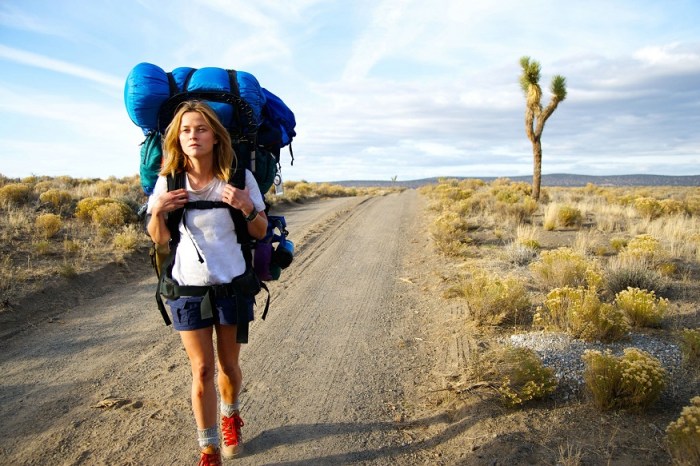
Embarking on a solo adventure requires careful planning and preparation. This section provides essential tips for a smooth and enjoyable trip, covering packing strategies, communication methods, cultural sensitivity, and efficient navigation of airports and public transport. We also offer a glimpse into visa requirements for popular solo travel destinations.
Solo travel offers unparalleled freedom and self-discovery, but it also necessitates a proactive approach to safety and logistics. Thorough preparation can significantly enhance your experience and minimize potential challenges.
Essential Travel Tips for Solo Travelers
These ten tips address key aspects of solo travel, ensuring a safer and more rewarding journey. Remember, adaptability is key; be prepared to adjust your plans as needed.
- Pack light: A smaller, easily manageable bag simplifies navigation and reduces the risk of lost luggage. Prioritize versatile clothing items that can be mixed and matched.
- Inform someone of your itinerary: Share your detailed travel plans, including flight information and accommodation details, with a trusted friend or family member.
- Learn basic phrases in the local language: Even a few basic greetings and polite phrases can go a long way in showing respect and facilitating communication.
- Research local customs and etiquette: Familiarize yourself with cultural norms and traditions to avoid unintentional offense or misunderstandings.
- Stay connected: Invest in a local SIM card or a portable Wi-Fi device to stay connected and easily access maps, translation apps, and emergency services.
- Utilize reputable transportation options: Opt for well-established transportation services like taxis, ride-sharing apps, or public transport with good safety records.
- Be aware of your surroundings: Maintain situational awareness and avoid walking alone in poorly lit or isolated areas, especially at night.
- Make copies of important documents: Keep copies of your passport, visa, travel insurance information, and other essential documents in a separate location from the originals.
- Trust your instincts: If a situation feels unsafe or uncomfortable, remove yourself from it immediately.
- Embrace spontaneity: While planning is important, allow for flexibility and spontaneity to embrace unexpected opportunities and experiences.
Visa Requirements for Solo Travelers
Visa requirements vary significantly depending on your nationality and destination. Always check the specific requirements well in advance of your trip to avoid delays or complications. This table provides a general overview, but it’s crucial to consult official government sources for the most up-to-date information.
| Destination | Visa Required for US Citizens? | Visa Required for UK Citizens? | Visa Required for Canadian Citizens? |
|---|---|---|---|
| Thailand | No (for tourism, up to 30 days) | No (for tourism, up to 30 days) | No (for tourism, up to 30 days) |
| France | No (part of Schengen Area) | No (part of Schengen Area) | No (part of Schengen Area) |
| Japan | Yes (generally requires a visa) | Yes (generally requires a visa) | Yes (generally requires a visa) |
| Australia | Yes (generally requires a visa) | Yes (generally requires a visa) | Yes (generally requires a visa) |
| Costa Rica | No (for tourism, up to 90 days) | No (for tourism, up to 90 days) | No (for tourism, up to 90 days) |
Note: This table provides a simplified overview. Visa requirements can change, and individual circumstances may affect eligibility. Always check with the relevant embassy or consulate for the most accurate and up-to-date information.
Navigating Airports and Public Transportation Efficiently
Efficiently navigating airports and public transportation as a solo traveler requires planning and awareness. These tips will help streamline your journey.
- Download relevant apps: Utilize airport and public transportation apps to access real-time information, schedules, and route planning.
- Check-in online: Check in for your flights online in advance to save time at the airport.
- Familiarize yourself with airport layouts: Study the airport map beforehand to locate gates, baggage claim, and other essential areas.
- Utilize airport transportation services: Take advantage of airport shuttles, trains, or other convenient transportation options to reach your destination.
- Purchase transit passes: Consider purchasing a multi-day or multi-ride pass for public transportation to save money and time.
Urban Escapes and Vacation Packages
Urban escapes offer solo travelers a unique opportunity to immerse themselves in the vibrant culture, history, and energy of a city. These getaways provide a chance for self-discovery, exploration, and the creation of lasting memories. The following sections detail ideal destinations, sample vacation packages, and the benefits of different booking approaches.
Unique Urban Escape Destinations for Solo Travelers
Choosing the right city is crucial for a successful solo urban adventure. The ideal destination should offer a blend of safety, cultural richness, and ease of navigation.
- Kyoto, Japan: Kyoto offers a captivating blend of ancient temples, serene gardens, and bustling markets. Its safe and well-organized public transportation makes it easy to navigate independently. The rich cultural heritage and opportunities for mindful exploration make it particularly appealing for solo travelers seeking tranquility and cultural immersion.
- Berlin, Germany: Berlin’s vibrant street art, historical landmarks, and thriving nightlife create a dynamic atmosphere perfect for independent exploration. The city’s diverse neighborhoods offer something for everyone, from historical sites like the Brandenburg Gate to trendy bars and clubs in Kreuzberg. Its efficient public transport and generally safe environment make it ideal for solo travelers.
- San Sebastian, Spain: This coastal city in Spain offers a stunning backdrop of beaches and mountains, combined with a sophisticated culinary scene and charming Old Town. The walkable nature of the city center and the welcoming atmosphere make it easy to explore independently. The city’s beauty and relaxed vibe are perfect for solo travelers seeking a balance of relaxation and exploration.
- Reykjavik, Iceland: Reykjavik offers a unique blend of urban convenience and access to stunning natural landscapes. The city’s compact size and walkability make it easy to explore, while its proximity to geothermal hot springs and breathtaking scenery provides opportunities for day trips. Its safety and friendly atmosphere make it an ideal choice for solo travelers.
- Florence, Italy: Florence, with its Renaissance art, stunning architecture, and delicious food, provides a captivating experience for solo travelers. The city’s walkable center and rich history make it easy to explore at your own pace. The abundance of art museums, charming cafes, and historical sites provides ample opportunities for both cultural immersion and personal reflection.
Sample Vacation Packages: Florence, Italy
Using Florence as an example, here are three sample vacation packages catering to different travel styles:
- Adventure Package (5 days/4 nights): This package focuses on active exploration. It includes a guided walking tour of the city center, a cooking class, a day trip to Tuscany with wine tasting, and a hot air balloon ride over the Tuscan countryside. Estimated cost: €1500 (excluding flights).
- Relaxation Package (5 days/4 nights): This package prioritizes rest and rejuvenation. It features a stay in a luxurious hotel with spa access, daily yoga sessions, guided meditation sessions, and leisurely exploration of the city’s gardens and parks. Estimated cost: €1800 (excluding flights).
- Cultural Package (5 days/4 nights): This package emphasizes cultural immersion. It includes guided tours of the Uffizi Gallery, the Accademia Gallery (to see Michelangelo’s David), and the Duomo, as well as visits to smaller museums and churches. It also includes a traditional Florentine dinner and a leather-making workshop. Estimated cost: €1200 (excluding flights).
Pre-Packaged vs. Customized Urban Escapes
Pre-packaged urban escapes offer convenience and structure, often at a competitive price. They provide a ready-made itinerary, simplifying planning and potentially saving time and money. However, they may lack flexibility and personalization, limiting opportunities for spontaneous exploration and individual preferences. Customized itineraries offer greater flexibility and personalization, allowing travelers to tailor their experience to their specific interests and budget.
However, they require more planning and research, potentially increasing the time investment and potentially the overall cost if not managed carefully. The best choice depends on individual preferences and travel style. For example, a traveler with limited time might prefer a pre-packaged option, while someone seeking a highly personalized experience might opt for a customized itinerary.
Vacation Programs and Venture Capital
The burgeoning solo travel market presents a significant opportunity for innovative vacation programs catering to the unique needs and desires of independent adventurers. A well-structured program can offer curated experiences, logistical support, and a sense of community, addressing the common concerns of solo travelers while maximizing profitability. This section explores the potential of such a program, outlining revenue streams, cost structures, and the role of venture capital in scaling the business.The potential for a successful vacation program for solo travelers lies in its ability to offer curated experiences that go beyond simple package deals.
Instead of focusing solely on cost, it emphasizes value—providing unique access, personalized itineraries, and opportunities for genuine connection with both the destination and fellow travelers. This approach differentiates the program from standard travel agencies and appeals to a discerning market segment willing to pay a premium for a truly exceptional experience.
Revenue Streams and Cost Structures
A successful solo traveler vacation program can generate revenue through various channels. Primary revenue streams would likely include package pricing for pre-designed itineraries, add-on services (such as private excursions, cooking classes, or specialized workshops), and affiliate partnerships with local businesses and tourism boards. Additional income could be generated through premium membership tiers offering exclusive benefits, or by creating and selling digital content related to solo travel.Cost structures would include the costs of creating and curating itineraries, marketing and sales expenses, technology infrastructure (website, booking system, communication platforms), and operational costs such as customer service and staff salaries.
Negotiating favorable partnerships with hotels, transportation providers, and activity operators is crucial to minimizing operational costs and maximizing profit margins. For example, securing bulk discounts on accommodation for program participants could significantly reduce expenses. A thorough analysis of these cost components, combined with accurate market research and pricing strategies, is critical for establishing financial viability.
Venture Capital and Program Scaling
Venture capital can play a crucial role in scaling a successful solo traveler vacation program. Securing seed funding allows for the development of a robust technology platform, marketing campaigns targeting the specific demographic, and the hiring of key personnel. Further funding rounds can support expansion into new markets, the development of new itineraries, and the enhancement of program offerings.Consider Airbnb’s early growth trajectory.
Their initial seed funding allowed them to build a functional platform and establish a strong brand presence. Subsequent funding rounds enabled expansion into new markets globally, leading to their current market dominance. Similarly, a solo traveler vacation program could leverage venture capital to accelerate growth, achieve broader market penetration, and solidify its position as a leading provider of curated experiences for independent travelers.
The key is to present a compelling business plan demonstrating a clear understanding of the target market, a scalable business model, and a strong management team. This will increase the likelihood of securing the necessary funding to support the program’s ambitious growth plans.
Planning a solo trip can be both exhilarating and daunting, but with careful consideration and the right resources, it can be an incredibly rewarding experience. By understanding your travel style, prioritizing safety, and utilizing the tips and resources Artikeld in this guide, you can confidently craft a customized vacation package that caters to your specific needs and desires. Embrace the freedom of solo travel and create memories that will last a lifetime.
Remember to personalize your journey, and most importantly, enjoy the adventure!
Question & Answer Hub
What’s the best time of year to travel solo?
The best time depends on your destination and preferences. Shoulder seasons (spring and fall) often offer pleasant weather and fewer crowds.
How do I meet other people while traveling solo?
Join walking tours, take cooking classes, stay in hostels, or utilize travel apps designed to connect travelers.
Is solo travel safe for women?
While precautions are necessary, solo female travel is possible and enjoyable. Thorough research, careful planning, and adherence to safety guidelines are crucial.
What if I get sick or injured while traveling alone?
Comprehensive travel insurance is essential. It covers medical expenses, emergency evacuations, and other unforeseen circumstances.
How can I stay connected while traveling internationally?
Purchase a local SIM card, use a portable Wi-Fi hotspot, or leverage your hotel’s Wi-Fi.