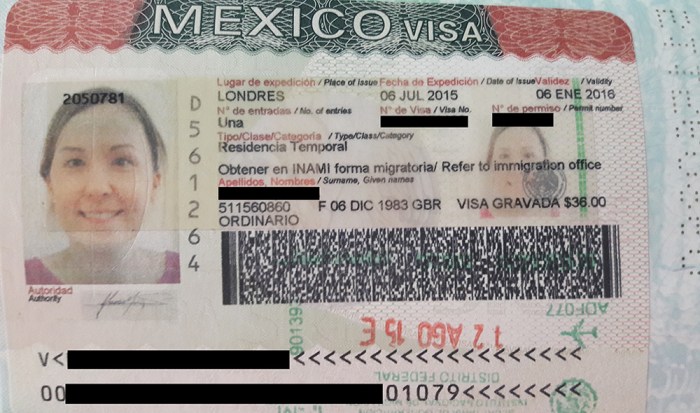
Planning a trip to Mexico? The question of whether a tourist visa is required upon arrival is a common one, varying greatly depending on your nationality. Understanding Mexico’s visa policies is crucial for a smooth and hassle-free journey. This guide clarifies the process, outlining visa requirements for various nationalities, exploring alternatives for those needing a pre-arrival visa, and offering valuable travel tips to enhance your Mexican adventure.
Navigating Mexican visa regulations can be complex. Some nationalities enjoy visa-free entry, while others may qualify for a visa on arrival. However, many will need to apply for a tourist visa before their trip. This guide aims to simplify this process, providing a clear understanding of the requirements and procedures involved, regardless of your citizenship.
Mexico Tourist Visa on Arrival
Mexico’s visa requirements are dependent on the nationality of the traveler. While some nationalities can enter Mexico visa-free or obtain a visa on arrival, others require a visa secured beforehand. Understanding these requirements is crucial for smooth travel planning.
Mexican Visa Requirements by Nationality
The Mexican government maintains a list of countries whose citizens are exempt from visa requirements for tourist stays of a specific duration. This list is subject to change, so it’s always best to check the official website of the Mexican embassy or consulate in your country for the most up-to-date information before your trip. For those not on the visa-free list, obtaining a tourist visa typically involves an application process at a Mexican embassy or consulate.
Obtaining a Mexican Tourist Visa
For those nationalities requiring a visa, the process generally involves completing an application form, providing supporting documentation (such as proof of financial means, travel itinerary, and passport photos), and paying the visa fee. Processing times vary, so it’s recommended to apply well in advance of your planned travel dates. Specific requirements and the application process will differ depending on your country of citizenship.
It is strongly advised to check the official Mexican embassy or consulate website for your specific country for detailed instructions and the most current requirements.
Examples of Visa-Free or Visa-on-Arrival Entry
Many nationalities enjoy visa-free access to Mexico for tourism. For example, citizens of the United States, Canada, and most European Union countries can generally enter Mexico for tourism without a visa, provided their stay remains within the permitted timeframe (typically 180 days). However, this is subject to change and should always be confirmed. It’s important to note that even with visa-free entry, travelers should ensure their passport is valid for at least six months beyond their intended stay.
Some nationalities might be eligible for a visa on arrival, but this is less common than visa-free entry. Always confirm the specific requirements based on your citizenship.
Visa Requirements Comparison Table
The following table provides a simplified overview. It is not exhaustive and should not be considered definitive. Always consult official sources for the most accurate and up-to-date information.
| Country | Visa Required? | Visa Type (if required) | Application Process |
|---|---|---|---|
| United States | No | N/A | N/A |
| Canada | No | N/A | N/A |
| United Kingdom | No | N/A | N/A |
| Germany | No | N/A | N/A |
| Brazil | Yes | Tourist Visa | Application through Mexican embassy/consulate |
| India | Yes | Tourist Visa | Application through Mexican embassy/consulate |
| China | Yes | Tourist Visa | Application through Mexican embassy/consulate |
Alternatives to Visa-on-Arrival in Mexico
While many nationalities can obtain a tourist visa upon arrival in Mexico, others require a pre-approved visa before their trip. This pre-arrival visa process offers a degree of certainty, ensuring entry is granted before incurring travel expenses. Understanding this process is crucial for travelers who cannot utilize the visa-on-arrival option.Applying for a Mexican tourist visa before travel involves completing an application form and submitting it to the nearest Mexican consulate or embassy in your country of residence.
The specific requirements and procedures might vary slightly depending on your nationality and the consulate’s location, so it’s always advisable to check directly with the relevant Mexican diplomatic mission.
Required Documents and Fees for a Pre-Arrival Visa
The necessary documentation typically includes a completed application form, a valid passport with at least six months of validity remaining, proof of sufficient funds to cover your stay, a confirmed return or onward ticket, and possibly a letter of invitation from someone in Mexico or proof of accommodation bookings. The exact list of documents can be found on the website of the Mexican consulate or embassy in your country.
Fees vary by nationality and are usually paid at the time of application submission. Expect to pay a fee in your local currency. This fee covers the processing of your application.
Mexican Tourist Visa Processing Time
Processing times for pre-arrival visas can vary significantly, ranging from a few days to several weeks. Several factors influence this, including the volume of applications the consulate is processing, the completeness of your application, and any additional verification required by the authorities. It’s prudent to apply well in advance of your planned travel dates to allow ample time for processing.
For example, an application submitted during a peak tourist season might take longer than one submitted during a less busy period.
Step-by-Step Guide for Applying for a Mexican Tourist Visa Online
While some consulates may allow online applications, many still require in-person submission. However, the online process, where available, generally follows these steps:
1. Locate the relevant consulate’s website
Find the website for the Mexican consulate or embassy in your country of residence.
2. Download the application form
Download the tourist visa application form from the consulate’s website. Ensure you are downloading the correct form for your nationality.
3. Complete the application form
Fill out the application form accurately and completely. Double-check all information for accuracy to avoid delays.
4. Gather required documents
Gather all the necessary supporting documents as Artikeld by the consulate.
5. Pay the visa fee
Pay the applicable visa fee online or as instructed by the consulate.
6. Submit your application
Submit your completed application form and supporting documents online through the consulate’s portal.
7. Track your application
Track the status of your application online, if this feature is available.
8. Collect your visa (if applicable)
Once approved, collect your visa, either by mail or in person, according to the consulate’s instructions. You might need to schedule an appointment to collect it.
Travel Insurance for Mexico

Planning a trip to Mexico is exciting, but ensuring a smooth and worry-free experience requires careful preparation. A crucial aspect of this preparation is securing comprehensive travel insurance. This protects you from unforeseen circumstances that could otherwise derail your vacation or lead to significant financial burdens.Travel insurance for Mexico offers vital protection against various risks inherent in international travel.
It acts as a safety net, providing financial assistance and support in emergencies. The level of coverage and the specific benefits vary significantly depending on the policy chosen, so careful consideration is key to selecting the right plan for your individual needs and circumstances.
Types of Travel Insurance Policies
Several types of travel insurance policies cater to different needs and budgets. Basic policies typically cover medical emergencies, trip cancellations, and lost luggage. More comprehensive plans may also include coverage for things like emergency medical evacuation, personal liability, and even travel delays. Some policies offer specialized coverage for adventure activities or specific health conditions. Understanding these differences is vital in choosing the most appropriate coverage.
Key Factors in Choosing a Travel Insurance Plan
Selecting the right travel insurance plan involves carefully evaluating several crucial factors. Firstly, the level of coverage should match your trip’s specifics, including duration, activities planned, and pre-existing medical conditions. Secondly, the policy’s terms and conditions, including exclusions and limitations, should be thoroughly reviewed. Thirdly, the reputation and financial stability of the insurance provider are important considerations, ensuring that claims will be processed smoothly and efficiently.
Finally, the cost of the policy should be balanced against the level of coverage provided, finding the optimal value for your needs.
Essential Elements of Travel Insurance Coverage
A comprehensive travel insurance policy for Mexico should include several key elements. This checklist highlights essential coverage areas:
- Emergency Medical Expenses: Coverage for medical treatment, hospitalization, and emergency medical evacuation.
- Trip Cancellation/Interruption: Reimbursement for prepaid, non-refundable travel expenses in case of unforeseen events like illness, natural disasters, or family emergencies.
- Lost or Delayed Luggage: Compensation for lost, stolen, or delayed baggage, including essential items and personal belongings.
- Personal Liability: Protection against legal liability for accidental injury or damage caused to others.
- 24/7 Emergency Assistance: Access to a dedicated assistance hotline for immediate support and guidance in emergencies.
It’s important to note that specific coverage details and limits will vary depending on the chosen policy. Carefully reviewing the policy document before purchasing is crucial to ensure the selected plan aligns perfectly with your individual travel needs and expectations.
Travel Photography in Mexico
Mexico offers a photographer’s paradise, brimming with vibrant culture, stunning landscapes, and architectural wonders. From ancient Mayan ruins bathed in golden sunlight to bustling city markets overflowing with color, the country provides endless opportunities to capture breathtaking images. This section will explore some of the best locations for travel photography in Mexico, offer tips for capturing impactful shots, and discuss techniques for enhancing your photos in post-processing.
Best Locations for Travel Photography in Mexico
Mexico boasts diverse photographic opportunities. The country’s varied geography and rich history provide a wealth of visually striking subjects. Consider these locations for capturing stunning travel photos:
- Palenque, Chiapas: The Mayan ruins of Palenque are shrouded in lush jungle, offering dramatic contrasts of ancient stone and vibrant green foliage. Imagine capturing the morning mist clinging to the temples, or the play of sunlight filtering through the canopy.
- Copper Canyon, Chihuahua: This vast canyon system, larger than the Grand Canyon, offers breathtaking vistas of rugged mountains and dramatic gorges. The scale of the landscape provides unparalleled photographic opportunities, particularly during sunrise or sunset.
- Guanajuato: This colorful colonial city is a photographer’s dream. The narrow, winding streets, vibrant buildings, and stunning architecture provide a multitude of photo opportunities. Consider capturing the city from above, highlighting the unique layout and vibrant colors.
- San Miguel de Allende: Known for its stunning colonial architecture and vibrant arts scene, San Miguel de Allende offers a wealth of photographic subjects. The city’s baroque churches, cobblestone streets, and colorful buildings provide a beautiful backdrop for capturing both architectural details and street scenes.
- Tulum, Quintana Roo: The Mayan ruins of Tulum, perched on dramatic cliffs overlooking the turquoise Caribbean Sea, offer iconic photographic opportunities. Capture the contrast between the ancient stone and the vibrant blue water, perhaps with a dramatic sunset in the background.
Tips for Capturing Breathtaking Photos of Mexican Landscapes and Culture
Mastering the art of travel photography in Mexico involves more than just pointing your camera. Consider these tips:
- Embrace the Golden Hour: The soft, diffused light of sunrise and sunset creates a magical ambiance, enhancing colors and adding depth to your images. Plan your shoots around these times for the most dramatic results.
- Explore Different Perspectives: Don’t be afraid to experiment with angles and viewpoints. Get down low, climb up high, or shoot from unexpected perspectives to create unique and compelling compositions.
- Capture the Details: Pay attention to the small details that tell a story. Focus on textures, patterns, and everyday objects that reflect the local culture. A close-up of a brightly colored market stall, for example, can be just as captivating as a sweeping landscape.
- Interact Respectfully: Always be respectful of local customs and traditions when photographing people. Ask for permission before taking portraits and be mindful of your surroundings.
- Tell a Story: The best travel photos go beyond simply capturing a pretty picture. Think about the story you want to tell and use your images to convey that narrative.
Enhancing the Colors and Vibrancy of Mexican Scenery Through Photo Editing
Post-processing can significantly enhance the visual impact of your Mexican travel photos.
- Color Correction: Adjusting the white balance can significantly improve the accuracy and vibrancy of your colors. Mexican landscapes often feature intense sunlight, so subtle adjustments can make a big difference.
- Saturation and Vibrance: Carefully increasing saturation and vibrance can enhance the intensity of colors, but avoid overdoing it, as this can lead to unnatural-looking results. A subtle boost is usually sufficient.
- Contrast Adjustment: Increasing contrast can help to define details and create a more dramatic image. However, be mindful not to lose detail in the highlights or shadows.
- Selective Editing: Use tools like masking or dodging and burning to selectively adjust the brightness and contrast in specific areas of your image. This can help to draw attention to key elements and create a more visually appealing composition.
Using Natural Light to Create Impactful Images
Natural light is crucial for capturing stunning travel photographs.
- Backlighting: Backlighting can create dramatic silhouettes and highlight the texture of subjects. Experiment with positioning your subject against the sun to achieve this effect.
- Side Lighting: Side lighting accentuates texture and creates depth, bringing out the details in your subjects. This is a versatile lighting technique suitable for a wide range of photographic situations.
- Front Lighting: Front lighting is generally soft and even, minimizing harsh shadows. It’s ideal for capturing details and minimizing harsh contrasts.
- Diffused Light: Cloudy days or shaded areas provide soft, diffused light, which is ideal for minimizing harsh shadows and creating a more even exposure.
Travel Tips for Mexico
Planning a trip to Mexico can be exciting, but ensuring a safe and enjoyable experience requires preparation. This section offers practical advice on staying safe and healthy, improving communication, packing efficiently, and utilizing helpful resources for your Mexican adventure.
Staying Safe and Healthy in Mexico
Prioritizing safety and health is paramount when traveling to Mexico. Staying informed about local conditions and taking preventative measures can significantly reduce risks. This includes being aware of your surroundings, particularly in crowded areas or at night. It’s advisable to avoid displaying expensive jewelry or electronics openly. Registering with your embassy or consulate is also a prudent step, providing a point of contact in case of emergencies.
Regarding health, consult your doctor about recommended vaccinations and necessary medications. Staying hydrated, especially in warmer climates, is crucial, and using bottled water is generally recommended. Sun protection, including sunscreen and hats, is vital, especially during peak sun hours. Food safety is another key concern; sticking to well-reviewed restaurants and avoiding street food from questionable vendors is recommended.
Learning Basic Spanish Phrases
While English is spoken in many tourist areas, learning a few basic Spanish phrases can significantly enhance your interactions with locals and enrich your travel experience. Simple greetings like “Hola” (hello), “Buenos días” (good morning), “Buenas tardes” (good afternoon), and “Buenas noches” (good night) go a long way. Learning phrases such as “Gracias” (thank you), “Por favor” (please), and “Sí” (yes) and “No” (no) are also essential.
Knowing how to ask for directions (“¿Dónde está…?”
- Where is…?) or to express needs (“Necesito…”
- I need…) can prove invaluable. Many free online resources and language learning apps can help you quickly pick up these essential phrases. Even a few words demonstrate respect for the local culture and can lead to more positive interactions.
Essential Packing Tips for Mexico
Packing appropriately for your trip to Mexico ensures comfort and convenience. The climate varies significantly depending on the region and time of year, so researching the specific weather conditions for your destination is crucial. Lightweight, breathable clothing is generally suitable, but packing layers is advisable for cooler evenings or higher altitudes. Comfortable walking shoes are essential, as you’ll likely be doing a lot of exploring on foot.
Don’t forget essentials like sunscreen, insect repellent, a hat, and sunglasses for sun protection. A reusable water bottle will help you stay hydrated. Consider bringing a small first-aid kit with essential medications and bandages. A universal adapter is necessary if you plan on using electronic devices. Finally, remember to bring any necessary travel documents, such as your passport, visa (if required), and travel insurance information.
Recommended Websites and Resources for Planning a Trip to Mexico
Planning your trip to Mexico is made easier with several helpful online resources. The official tourism website of Mexico offers comprehensive information on destinations, activities, and travel advisories. Review websites like TripAdvisor provide user reviews and ratings for hotels, restaurants, and attractions. Flight comparison websites allow you to search for the best flight deals, while accommodation booking platforms offer a wide selection of hotels and other lodging options.
Blogs and travel guides dedicated to Mexico can offer valuable insights and tips from experienced travelers. Using a combination of these resources ensures a well-informed and well-planned trip.
Mexican Travel Visa Requirements
Obtaining the correct visa for travel to Mexico depends largely on your citizenship and the purpose of your visit. While many nationalities can enter Mexico visa-free for tourism, others require a visa in advance or may be eligible for a visa on arrival, depending on their specific circumstances. This section details the requirements for various Mexican visas.
Types of Mexican Visas
Mexico offers several types of visas, each designed for a specific purpose. The most common are tourist visas, but other categories exist for work, study, and residency. Understanding the distinctions is crucial for a smooth travel experience. Incorrectly applying for a visa can lead to delays or denial of entry.
- Tourist Visa (Forma Migratoria Múltiple): This visa is for individuals traveling to Mexico for tourism, leisure, or short-term business activities. The duration of stay is typically limited, and extensions are generally not permitted. Specific requirements vary depending on nationality.
- Business Visa: This visa is for individuals engaging in short-term business activities in Mexico, such as attending meetings, conferences, or negotiating contracts. It requires documentation supporting the business purpose of the visit.
- Work Visa: A work visa is necessary for individuals intending to work in Mexico. This requires a formal job offer from a Mexican employer and involves a more extensive application process.
- Student Visa: This visa is for students enrolled in educational institutions in Mexico. Acceptance letters from the institution and proof of financial support are usually required.
- Residency Visa: This visa allows for long-term residence in Mexico. The application process is extensive and involves meeting specific requirements related to income, health, and background checks.
Specific Requirements for a Tourist Visa
The requirements for a Mexican tourist visa vary greatly depending on your nationality. Some nationalities may be eligible for a visa on arrival, while others must apply for a visa in advance at a Mexican consulate or embassy in their home country. Common requirements often include:
- A valid passport with at least six months of validity remaining.
- A completed visa application form.
- Proof of sufficient funds to cover expenses during the stay.
- Evidence of onward or return travel arrangements (flight or bus tickets).
- A letter of invitation (sometimes required, depending on the consulate).
- Travel insurance.
- A recent passport-sized photograph.
It is crucial to check the specific requirements for your nationality on the official website of the Mexican embassy or consulate in your country.
Frequently Asked Questions about Mexican Visas
The process of obtaining a Mexican visa can be confusing. Here are answers to some common questions:
- How long does it take to process a Mexican visa application? Processing times vary depending on the consulate and the type of visa applied for. It’s advisable to apply well in advance of your intended travel dates.
- What happens if my visa application is denied? If your application is denied, the consulate will usually provide a reason for the denial. You can then reapply, addressing any issues identified in the previous application.
- Can I extend my tourist visa once I am in Mexico? Extensions are generally not permitted for tourist visas. It is essential to ensure your visa covers the entire duration of your intended stay.
- What type of travel insurance is required? The specific requirements for travel insurance vary, but it is advisable to have comprehensive coverage that includes medical emergencies and evacuation.
- Where can I find the official Mexican visa application form? The official form can be found on the website of the Mexican embassy or consulate in your country.
Mexican Tourist Visa Application Process Flowchart
The application process can be visualized as follows:
- Check Visa Requirements: Determine if you need a visa based on your nationality and the purpose of your visit.
- Gather Required Documents: Collect all necessary documents, such as passport, application form, proof of funds, etc.
- Complete Application Form: Fill out the application form accurately and completely.
- Submit Application: Submit the application and required documents to the nearest Mexican consulate or embassy.
- Pay Application Fee: Pay the applicable visa fee.
- Visa Processing: Allow sufficient time for visa processing.
- Visa Issuance/Denial: The consulate will either issue the visa or notify you of a denial.
Ultimately, determining whether you need a visa for Mexico depends entirely on your nationality. While some can enter visa-free or obtain one on arrival, others must apply in advance. This guide provides a comprehensive overview, empowering you to plan your Mexican vacation with confidence. Remember to check the latest official information before you travel, and enjoy the vibrant culture and stunning landscapes Mexico has to offer!
Question Bank
What documents are typically required for a Mexican tourist visa application?
Requirements vary by nationality but generally include a passport valid for at least six months beyond your intended stay, a completed application form, proof of onward travel, and proof of sufficient funds.
How long does it take to process a Mexican tourist visa application?
Processing times vary, but typically range from a few days to several weeks. It’s best to apply well in advance of your intended travel dates.
Can I extend my tourist visa once I’m in Mexico?
Yes, it’s often possible to extend your tourist visa in Mexico, but you must apply for an extension through the relevant immigration authorities before your current visa expires.
What happens if I enter Mexico without the correct visa?
Entering Mexico without the required visa can lead to fines, deportation, and potential future travel restrictions. Always ensure you have the correct documentation before traveling.