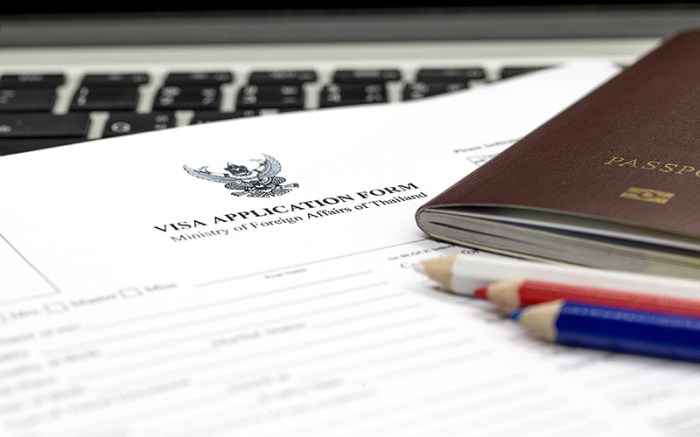
Planning an extended stay in the Land of Smiles? Extending your tourist visa in Thailand can seem daunting, but with the right information, it’s a manageable process. This guide provides a comprehensive overview of the requirements, procedures, and potential challenges you might encounter when extending your Thai tourist visa in 2024, ensuring a smooth and stress-free experience for your continued Thai adventure.
Navigating the Thai visa extension system requires understanding the various visa types, gathering the necessary documentation, and meticulously following the application procedure. This guide will walk you through each step, offering practical tips and solutions to common problems, ultimately empowering you to confidently extend your stay in Thailand.
Understanding Thailand’s Visa Extension Process for 2024

Extending a tourist visa in Thailand requires understanding the various visa types and the specific procedures involved. This information aims to clarify the process for those planning to extend their stay in Thailand in 2024. Note that visa regulations can change, so always verify the most up-to-date information with the Royal Thai Embassy or Consulate in your home country or the Thai Immigration Bureau.
Types of Tourist Visas in Thailand
Thailand offers several types of tourist visas, each with its own duration and purpose. The most common is the Tourist Visa (TR), typically issued for a single entry with a validity of 30 days or 60 days. Other options may include a Non-Immigrant Visa (for specific purposes like education or business), but these are not generally considered tourist visas and have different extension processes.
The specific visa you hold will determine the extension options available to you.
Requirements for Extending a Tourist Visa in Thailand (2024)
To extend a tourist visa in Thailand, several requirements must be met. These generally include a valid passport with sufficient remaining pages, a completed visa extension application form, passport-sized photos, proof of sufficient funds to support your stay (bank statements, proof of employment, etc.), and evidence of onward travel arrangements (flight or bus ticket). Additional documentation might be required depending on your circumstances, such as a letter of invitation if staying with a Thai sponsor.
Failure to provide all necessary documentation can lead to delays or rejection of the application.
Step-by-Step Guide to Applying for a Visa Extension
The process for extending a tourist visa typically involves these steps:
1. Check Eligibility
Ensure your visa type is eligible for extension and that you meet all requirements.
2. Gather Documents
Collect all necessary documents as Artikeld above. Thoroughly check for completeness and accuracy.
3. Submit Application
Submit your application and supporting documents in person at an Immigration Office. Location varies depending on your province.
4. Pay Fees
Pay the required visa extension fees. The amount varies depending on the extension duration.
5. Attend Interview (if required)
In some cases, an interview may be required. Be prepared to answer questions about your purpose for extending your stay.
6. Collect Extended Visa
Once approved, collect your extended visa at the designated Immigration Office.
Visa Extension Options and Fees
The following table compares different visa extension options and their associated fees (Note: Fees are subject to change. Always check with the Immigration Bureau for the most current information).
| Visa Type | Extension Duration | Approximate Fee (THB) | Notes |
|---|---|---|---|
| Tourist Visa (TR) | 30 days | 1900 | Common extension for short-term stays. |
| Tourist Visa (TR) | 60 days | 3800 | Allows for a longer extension. |
| Tourist Visa (TR) | 90 days | 5700 (may vary) | May require additional documentation. |
Necessary Documentation for Visa Extension
Successfully extending your tourist visa in Thailand hinges on submitting a complete and accurate set of documents. Failure to do so can lead to delays or rejection of your application. This section details the required documents and provides guidance on ensuring they meet the necessary standards.
The specific documents required might vary slightly depending on your nationality and the reason for your extension. Always confirm the exact requirements with the Thai immigration office handling your application. It’s best to prepare all necessary documentation well in advance of your visa’s expiry date.
Passport and Visa Copy
Your passport must be valid for at least six months beyond your intended stay in Thailand. A clear photocopy of your current visa page is essential. Ensure the photocopy is legible and includes all necessary details, such as visa type, expiry date, and entry/exit stamps. Make multiple copies to avoid any potential issues.
Visa Extension Application Form
The application form itself is a crucial document. This form is typically obtained from the immigration office and must be filled out completely and accurately. Double-check all the information provided, paying close attention to spelling and dates. Any discrepancies can cause delays or rejection. It’s advisable to fill the form in black ink and to have a backup copy.
Passport-Sized Photographs
You will need recent passport-sized photographs that meet the specified requirements of the immigration office. These requirements often include a plain white background, a neutral expression, and clear visibility of facial features. It’s generally recommended to have several copies prepared in case one is deemed unsuitable.
Proof of Sufficient Funds
Demonstrating you have enough money to support yourself during your extended stay is critical. This can be shown through bank statements, traveler’s cheques, or credit card statements. The amount required will vary based on the length of your extension, but it’s generally recommended to have sufficient funds to cover your expenses for the entire period. Ensure the statements clearly show your name and account details.
Proof of Accommodation
Providing proof of your accommodation during your extended stay is also necessary. This can be a hotel booking confirmation, a rental agreement, or an invitation letter from a host. The document should clearly show your name, the address of your accommodation, and the duration of your stay. If staying with a host, ensure the invitation letter is properly written and includes contact information for the host.
Flight Itinerary or Travel Plans
Presenting a confirmed flight itinerary showing your departure date from Thailand is crucial. This demonstrates your intention to leave the country at the end of your extended stay. A confirmed booking or a detailed travel plan showing your onward journey will satisfy this requirement.
Health Insurance
Many immigration offices require proof of health insurance coverage for the duration of your extended stay. Ensure your policy covers medical emergencies and hospitalization. A copy of your insurance policy, including the coverage details and validity period, is necessary.
Checklist for Visa Extension Documents
Using a checklist ensures you don’t overlook any essential document. This will help streamline the application process and reduce stress.
| Document | Status |
|---|---|
| Passport (with at least 6 months validity) | |
| Visa page photocopy | |
| Completed visa extension application form | |
| Passport-sized photographs | |
| Proof of sufficient funds (bank statements, etc.) | |
| Proof of accommodation (hotel booking, rental agreement, etc.) | |
| Flight itinerary or travel plans | |
| Health insurance policy copy |
Potential Challenges and Solutions
Extending a tourist visa in Thailand can sometimes present unforeseen difficulties. Understanding these potential hurdles and having strategies in place to address them is crucial for a smooth process. Proactive planning and thorough preparation can significantly minimize the risk of delays or rejection.
Common Problems During Visa Extension
Several common issues can arise during the visa extension process. These range from incomplete documentation to misunderstandings of the regulations. Addressing these potential problems head-on can save time and stress.
- Missing or Incorrect Documentation: Failing to provide all the necessary documents, or submitting documents that don’t meet the required specifications (e.g., incorrect photo size, outdated passport), is a frequent cause for delays or rejection.
- Insufficient Funds: Demonstrating sufficient funds to support your stay in Thailand is a key requirement. Failure to provide convincing proof of financial resources (bank statements, etc.) can lead to application rejection.
- Inaccurate Information on the Application: Providing false or misleading information on the application form is a serious offense and will almost certainly result in rejection. Accuracy is paramount.
- Long Processing Times: Processing times can vary depending on the immigration office and the time of year. Be prepared for potential delays, especially during peak tourist seasons.
- Unclear Requirements: The visa extension process can be complex, and understanding all the nuances of the regulations can be challenging. Misinterpreting requirements can lead to problems.
Strategies for Overcoming Challenges
Proactive measures can significantly mitigate the risk of encountering problems during the visa extension process. Careful planning and attention to detail are key.
- Thorough Preparation: Begin the process well in advance of your visa’s expiry date. Gather all necessary documents and meticulously check for completeness and accuracy.
- Seek Professional Assistance: Consider using a reputable immigration lawyer or visa agent, especially if you are unsure about any aspect of the process. Their expertise can prevent costly mistakes.
- Accurate and Complete Documentation: Ensure all documents are up-to-date, correctly filled out, and meet the specified requirements. Make copies of everything.
- Sufficient Financial Proof: Provide ample evidence of sufficient funds to cover your expenses during your extended stay. Bank statements showing consistent deposits are generally preferred.
- Understanding the Regulations: Familiarize yourself with the current visa extension regulations. The Thai Immigration Bureau website is a good starting point, but professional advice is always recommended.
Addressing Visa Rejection
If your visa extension application is rejected, understand the reasons for the rejection. The immigration office should provide a written explanation.
- Review the Rejection Notice: Carefully examine the rejection notice to understand the specific reasons for the denial. This is crucial for addressing the issues in a subsequent application.
- Gather Additional Evidence: If the rejection was due to insufficient documentation or other correctable issues, gather the necessary additional evidence and reapply.
- Seek Legal Counsel: If you believe the rejection was unjustified, consult with an immigration lawyer to explore your options for appeal or reconsideration.
- Prepare a New Application: If you choose to reapply, ensure your new application is complete, accurate, and addresses the reasons for the previous rejection.
Frequently Asked Questions About Visa Extensions
Addressing common questions about visa extensions clarifies potential uncertainties and streamlines the process.
- How long does the visa extension process take? Processing times vary, but it’s generally advisable to apply several weeks before your current visa expires.
- Where do I apply for a visa extension? Applications are typically submitted at a designated immigration office.
- What happens if my visa expires before my extension is processed? Overstaying your visa can lead to penalties, so it’s crucial to apply well in advance.
- Can I work while on a tourist visa extension? No, tourist visa extensions do not permit work. Separate work permits are required.
- What are the fees associated with a visa extension? Fees vary and are typically paid at the time of application. Check the current fees with the immigration office.
Successfully extending your Thai tourist visa in 2024 hinges on preparation and a clear understanding of the process. By carefully following the steps Artikeld in this guide, gathering all necessary documentation, and anticipating potential challenges, you can confidently navigate the visa extension process and continue to enjoy your time exploring Thailand. Remember to check for any updates to regulations before your application.
Detailed FAQs
What happens if my visa extension is rejected?
If your application is rejected, you will receive notification explaining the reason. You can then address the issues raised and reapply, or explore alternative visa options.
Can I work while my tourist visa is extended?
No. A tourist visa extension does not grant work authorization. Working illegally in Thailand can result in serious consequences.
How long does the visa extension process typically take?
Processing times can vary, but generally, allow several weeks for your application to be processed. It’s best to apply well in advance of your current visa’s expiration date.
Where can I find the most up-to-date information on visa requirements?
The official website of the Royal Thai Embassy or Consulate in your country is the best source for the most current and accurate information.